
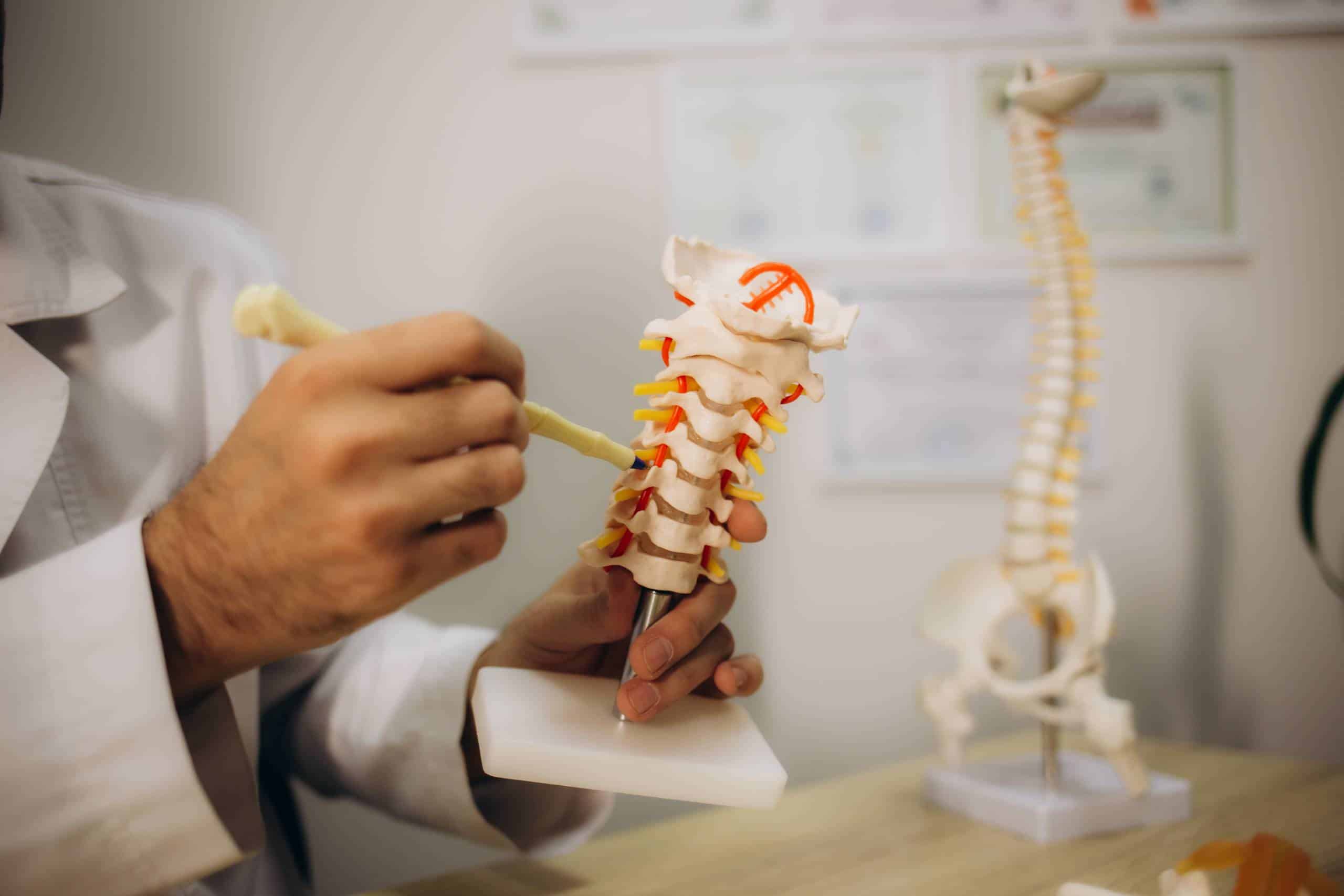
Spinal cancer occurs when abnormal cell growth develops in or near the spinal column. These tumours can be benign (non-cancerous) or malignant (cancerous) and may affect the spine’s bones, spinal cord, or surrounding tissues. Early diagnosis and treatment are essential to prevent further complications such as nerve damage and impaired mobility.
What is Spinal Cancer?
The spine, or vertebral column, is a vital structure that protects the spinal cord and supports the body’s posture and movement. It consists of 33 vertebrae divided into cervical, thoracic, lumbar, sacral, and coccygeal regions. Between each vertebra are intervertebral discs, and the spinal cord itself carries nerve signals throughout the body.
Spinal cancer refers to the abnormal growth of cells within or near the spinal column. These tumours can be primary, which means they originate within the spine itself, or secondary (metastatic), which means they have spread from cancer in another part of the body.
Spinal cancer can also affect different tissues, including the vertebrae, the spinal cord, nerve roots, or surrounding structures. Depending on their location and growth, these tumours can compress the spinal cord or nerves and lead to serious symptoms if not promptly addressed.
Types of Spinal Cancer and Where They Occur Healthcare providers classify spinal tumours based on several key factors:
Location Along the Spine
Spinal tumours can develop in any region of the spine, and their symptoms often reflect the affected area:
- Cervical Spine Tumours: Found in the neck region (C1–C7), cervical spine tumours can cause symptoms such as neck pain, stiffness, weakness or numbness in the shoulders and arms, and difficulty with fine motor skills.
- Thoracic Spine Tumours: Located in the mid-back (T1–T12), thoracic spine tumours often lead to symptoms like mid-back pain, pain radiating around the chest or abdomen, and issues with balance and leg strength.
- Lumbar Spine Tumours: These tumours develop in the lower back (L1–L5) and may cause lower back pain, numbness, or weakness in the legs.
- Sacral Tumours: Located at the base of the spine (sacrum), they may lead to pain in the hips, pelvis, or lower limbs, as well as bladder or bowel difficulties.
Location Within the Spinal Column
Spinal cancer is further categorised by the position of the tumour within the spine’s protective structures:
- Extradural Tumours: These are located outside the dura mater (the tough membrane surrounding the spinal cord) and typically involve the vertebrae or spinal canal’s bony structures. Secondary (metastatic) spinal tumours often fall into this category.
- Intradural-extramedullary Tumours: Found inside the dura mater but outside the spinal cord itself.
- Intramedullary Tumours: These grow within the substance of the spinal cord, often involving nerve cells and
supportive tissues.
Specific Types of Spinal Tumours
The spinal column is a complex structure made up of various types of cells and tissues, which means that spinal tumours can arise from different origins. Here are some of the specific types:
- Astrocytoma: A tumour that arises from the supportive glial cells (astrocytes) within the spinal cord. Astrocytomas can be benign or malignant, and they vary in growth rates and severity.
- Chordoma: These rare malignant tumours typically develop in the base of the spine (sacrum) or the lower spine (coccyx). They tend to grow slowly but can be difficult to treat due to their location.
- Ependymoma: A tumour that forms in the lining of the central canal of the spinal cord, where spinal fluid flows. Ependymomas can compress the spinal cord and cause neurological symptoms.
- Glioblastoma: An aggressive, malignant tumour that develops from astrocytes and can form in the spinal cord or brain. It is known for its rapid growth and resistance to treatment.
- Hemangioblastoma: A tumour originating from blood vessels within the central nervous system, including the spinal cord.
- Meningioma: A tumour of the meninges, which is the protective membranes covering the brain and spinal cord. Meningiomas are usually benign.
- Neurofibroma: A benign tumour that grows on nerves and may be associated with genetic conditions like neurofibromatosis.
- Schwannoma: A tumour that forms from the cells that insulate and support nerves (Schwann cells). Schwannomas are generally benign and can occur along the spinal cord and peripheral nerves.
- Spinal Hemangioma: The most common primary tumour of the spine, spinal hemangiomas arise from blood vessel tissues within the vertebral bones. They are typically benign and often discovered incidentally during imaging.
Types of Cancer that Spread to the Spine
Many cases of spinal cancer result from metastasis, where cancer from another part of the body spreads to the spine. These commonly include:
- Breast Cancer: Often spreads to the spine in women.
- Lung Cancer: Commonly metastasises to the spine in men.
- Prostate Cancer
- Kidney Cancer
- Thyroid Cancer
- Leukaemia (Blood Cancer)
- Lymphoma (Cancer of the Lymphatic System)
- Melanoma (Skin Cancer)
- Sarcoma (Cancer in the Connective Tissues)
Symptoms of Spinal Cancer
The symptoms of spinal cancer can vary greatly depending on the tumour’s size, type, and location.
- Back or Neck Pain: One of the most common symptoms of spinal cancer. Pain may be persistent, worsen at night, or radiate to other areas, such as the arms or legs.
- Neurological Symptoms: Depending on the tumour’s location, symptoms may include weakness, numbness, or tingling in the limbs. For example, cervical spine tumour symptoms may include neck pain and weakness in the arm muscles, while symptoms of a thoracic spine tumour often involve mid-back pain and leg weakness.
- Difficulty Walking or Balancing
- Bowel or Bladder Changes
- Loss of Sensation: In severe cases, spinal cancer can lead to varying degrees of paralysis or loss of sensation in different parts of the body, depending on the tumour’s location.
Causes of Spinal Cancer
The exact cause of spinal cancer is often unknown, but several factors and conditions may increase the risk of developing tumours in the spinal column or spinal cord.
Genetic Factors
Some spinal tumours are linked to inherited genetic conditions. For example, people with neurofibromatosis type 1 (NF1) or type 2 (NF2) are more likely to develop any type of cancer than the general population.
Previous Cancer History
Many cases of spinal cancer result from metastasis. Cancers like breast, lung, prostate, kidney, and thyroid cancer frequently spread to the vertebrae.
Exposure to Radiation
Prior radiation therapy, especially for childhood cancers, can increase the risk of developing secondary tumours years later.
Age and Lifestyle Factors
The risk of developing many types of cancers, including spinal cancer, tends to increase with age, as genetic mutations accumulate over time. While lifestyle factors like smoking and heavy alcohol use have not been directly linked to primary cancer, they may contribute to cancers that can metastasise to the spine.
Diagnosis of Spinal Cancer
Early and accurate diagnosis of spinal cancer is important for developing a suitable treatment plan and reducing the risk of long-term nerve damage.
Medical History and Physical Examination
The first step involves discussing your symptoms, medical history, and any risk factors that could increase the likelihood of spinal cancer, such as a personal or family history of cancer. During a physical examination, your doctor will look for signs of spinal cord compression and symptoms of cervical, thoracic, or other spinal tumours. This may include checking for weakness or tenderness along the spine, changes in muscle strength, sensory loss, and abnormal reflexes.
Neurological Examination
A neurological evaluation can help identify how the tumour is affecting your nervous system. This includes checking for weakness or tenderness in the spine, abnormal reflexes, and loss of sensation.
Diagnostic Tests for Spinal Cancer
To determine whether a tumour is present and to gather detailed information about it, the doctor may recommend a range of tests:
- Imaging Tests: Advanced imaging, such as MRI and CT scans, provide clear views of the spinal structures, helping identify any tumours and assess their impact on the spinal cord or nerves. While X-rays are less detailed, they can reveal changes in the spine’s alignment or bone damage that may be linked to a tumour.
- Biopsy: If imaging suggests a tumour, a biopsy may be performed to confirm the diagnosis. During a biopsy, a small sample of tissue is removed using a needle or minor surgery. Examining the tissue under a microscope helps determine whether the tumour is benign or malignant and guides the choice of treatment.
- Bone Scan: This test involves injecting a small amount of radioactive material into the bloodstream. The material collects in areas of abnormal bone activity, helping highlight tumours that may have spread to the spine.
- Blood Tests: Blood tests can help look for abnormal levels of substances in your blood, such as calcium and alkaline phosphatase. Your body may release these substances when bone tissue breaks down, which can happen if cancer has spread to the bones.
Treatment for Spinal Cancer
The choice of treatment depends on factors like the type of tumour (primary or secondary), its location, and how it affects nearby nerves and spinal structures.
Treatment for Secondary (Metastatic) Spinal Tumours
Treatment for this type of spinal cancer typically involves a combination of therapies:
- Chemotherapy: Chemotherapy targets and kills cancer cells throughout the body. It may also be used to shrink the tumor before surgery, helping to support treatment outcomes.
- Radiation Therapy: Uses X-ray beams to destroy cancer cells or shrink the tumour. This can help relieve pain and other symptoms.
- Stereotactic Radiosurgery: High-dose radiation is delivered directly to the tumour without disrupting healthy tissue. This method is often used when the tumour is small or located in a sensitive area.
- Surgery: Surgery may be needed if the tumour causes spinal instability or severe compression of the spinal cord. For certain individuals, minimally invasive surgical techniques may also be used to reduce recovery time and minimise disruption to surrounding tissues.
Treatment for Primary Spinal Tumours
- Monitoring: For small tumours that are asymptomatic or only mildly symptomatic, regular monitoring with MRI scans may be recommended.
- Surgical Removal: When surgery is required, the goal is to remove as much of the tumour as possible while preserving nerve function. However, this approach can be challenging due to the tumour’s location and the risk of significant damage to nearby nerves and tissues.
- Cancer Treatments: If the primary spinal tumour is malignant, additional treatments such as chemotherapy or radiation therapy may be needed to control the disease and reduce the risk of recurrence.
Supportive Care
Managing symptoms and maintaining quality of life are essential parts of spinal cancer treatment:
- Pain Management: Medications such as anti-inflammatory drugs, pain relievers, or steroids may be prescribed to control pain and reduce swelling.
- Physical Therapy: Rehabilitation programmes can help maintain mobility, strength, and balance during and after treatment.
Spinal cancer can be a life-changing diagnosis, bringing both physical and emotional challenges. Understanding the different types of spinal tumors, their symptoms, and available treatment options is an important step in navigating this complex condition. Early diagnosis and appropriate care can help manage symptoms and maintain as much independence and function as possible. If you have concerns about persistent back pain, neurological changes, or other symptoms, speaking with a qualified healthcare professional can provide guidance and support for your individual situation.

Wu Pang Hung
ABOUT AUTHOR
Dr. Wu Pang Hung is an experienced orthopaedic and spine surgeon in Singapore, specialising in both uniportal and biportal endoscopic spine procedures for complex cervical, thoracic, and lumbar spinal conditions. With over 10 years in the field, he is actively involved in numerous spine societies and contributes to several international journals and textbooks. Dr. Wu has also received specialised training in spine surgery across Canada, South Korea, Japan, and Germany.
Contact Us
WHATSAPP US @+65 9746 6178
CALL US @+65 9746 6178
MAKE AN APPOINTMENT
Frequently Asked Questions (FAQs)
Can spinal cancer be cured?
Some primary spinal tumours can be completely resected with surgery, while metastatic spinal cancer often requires long-term management to control symptoms and slow disease progression.
How quickly can spinal cancer progress?
The growth rate of spinal cancer varies depending on the type of tumours and their location. Some grow slowly and may remain stable for years, while others, especially aggressive or metastatic tumours, can progress quickly and cause symptoms in a shorter timeframe.
Can spinal tumours come back after treatment?
Recurrence is possible, particularly with malignant tumours. Regular follow-up care and monitoring with imaging tests are important to detect any return of the cancer early and adjust treatment plans if needed.
How does spinal cancer affect daily life?
Spinal cancer can impact daily activities by causing pain, weakness, or reduced mobility. Supportive care, including pain management and physical therapy, can help maintain independence and improve quality of life.
Are cervical spine tumor symptoms different from those of thoracic spine tumors?
Yes, the symptoms differ based on the tumor’s location. Symptoms of a cervical spine tumour usually involve neck pain, arm weakness, and numbness or tingling in the hands. In contrast, thoracic spine tumour symptoms often include mid-back pain that may wrap around the chest or abdomen and issues with balance or leg strength.