
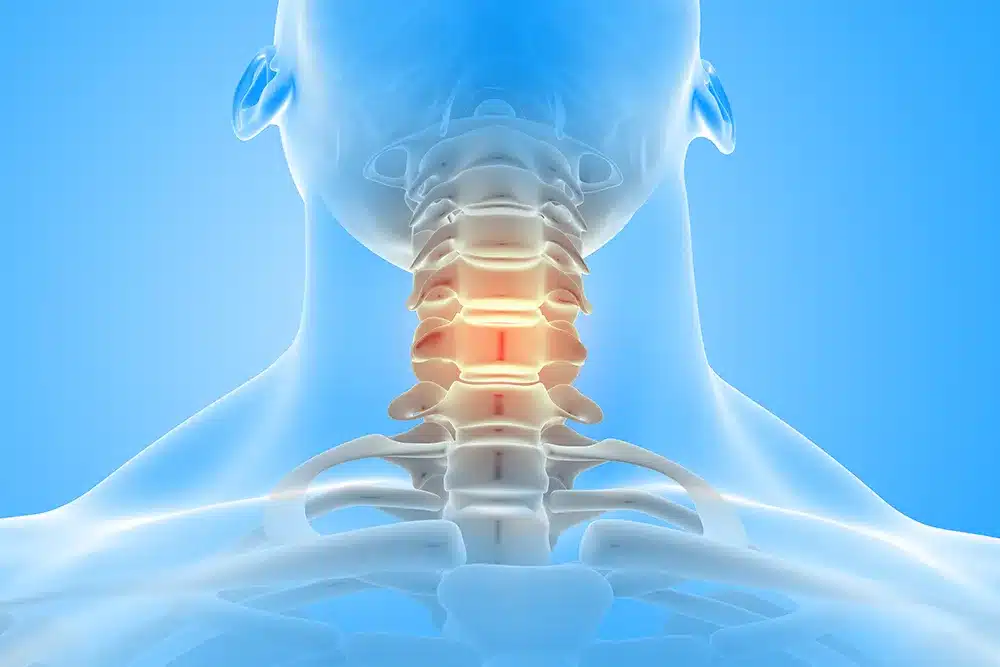
Cervical disc replacement is a procedure used to address problems in the neck when a spinal disc becomes worn or damaged. This allows the neck to retain mobility while reducing pressure on surrounding nerves. For some individuals, non-surgical care provides relief, but in cases where symptoms persist, cervical disc replacement may be considered as part of a tailored treatment plan.
What Is Cervical Disc Replacement?
Cervical disc replacement is a form of spine surgery where a damaged cervical disc is removed and substituted with an artificial implant. The artificial disc is designed to act in place of the natural disc, supporting movement and stability between the vertebrae. Unlike spinal fusion, which restricts motion by joining bones together, this approach seeks to maintain flexibility in the neck while easing pressure on the nerves. By restoring disc height and helping to maintain natural spinal motion, this surgery offers an option for individuals with specific disc-related conditions in the neck.
When Do You Need Cervical Disc Replacement Surgery?
Cervical disc replacement surgery may be considered when neck symptoms continue despite non-surgical treatments such as medication, physiotherapy, or lifestyle adjustments. The procedure is generally recommended after a thorough assessment confirms that a damaged cervical disc is the main cause of discomfort or neurological symptoms.
Common situations where cervical disc replacement may be advised include:
- Persistent neck pain that does not improve with non-surgical care.
- Radiating pain, numbness, or weakness in the shoulders or arms.
- Disc damage from wear and tear, such as degenerative disc disease, that reduces disc height and causes pressure on surrounding nerves.
- Herniated or slipped discs in the cervical spine that continue to cause symptoms despite conservative treatment.
- Loss of disc function leading to reduced mobility, stiffness, or impaired daily activities.
The decision to proceed with this surgery is based on individual factors, including the severity of symptoms, medical history, and overall spinal health. Careful evaluation ensures the treatment plan is aligned with each patient’s specific condition.
Benefits and Risks of Cervical Disc Replacement Surgery
Cervical disc replacement surgery offers an option for addressing damaged discs in the neck, but like any procedure, it has both positive outcomes and risks. Understanding these helps patients make informed decisions about their treatment.
Preserving Movement in the Neck
Unlike fusion surgery, cervical disc replacement allows the neck to retain mobility after the damaged disc is replaced. This helps maintain more natural movement such as bending, turning, and tilting.
Reducing Nerve-related Symptoms
The procedure can ease pressure on compressed nerves, which may relieve symptoms like radiating arm pain, numbness, or tingling.
Lower Strain on Nearby Discs
Because the replaced disc continues to support motion, neighbouring discs may face less stress. This may reduce the likelihood of degeneration in adjacent areas of the spine.
Resuming Daily Activities Sooner
Many patients are able to return to everyday routines earlier compared with some other types of neck surgery, as spinal flexibility is preserved.
Risks and Considerations:
- General Surgical Risks: As with other forms of spine surgery, there is a risk of complications. Possible issues include infection, problems with swallowing, or temporary alterations to the voice.
- Issues With the Implant: Artificial discs may develop problems over time, including wear, loosening, or mechanical failure. These could require further treatment.
- Changes in Nearby Spinal Levels: Cervical disc replacement is intended to lessen the strain on nearby discs. However, degeneration in those areas may still occur over time as part of the natural ageing process.
- Unwanted Bone Growth: In some cases, bone can develop around the implant, a process known as heterotopic ossification. This may gradually reduce the range of motion that the surgery was intended to preserve.
- Suitability Factors: Not all patients are candidates for cervical disc replacement. Conditions such as osteoporosis, severe arthritis of the facet joints, or spinal instability may make other treatment approaches more appropriate.
How to Prepare for Cervical Disc Replacement Surgery
Preparation for cervical disc replacement surgery involves several steps to ensure the procedure and recovery progress smoothly. These steps help both the patient and medical team plan appropriately.
Medical Evaluation
Before the surgery, a thorough medical assessment is carried out. This may include imaging scans, blood tests, and a review of medical history to confirm suitability for surgery. The evaluation helps identify any conditions that could affect the procedure or recovery.
Medications and Lifestyle Adjustments
Certain medications, such as blood thinners, may need to be stopped or adjusted in the days leading up to surgery. Patients may also be advised to avoid smoking and limit alcohol intake, as these can affect healing.
Pre-Surgical Instructions
The medical team will provide guidance on eating, drinking, and fasting before surgery. Following these instructions reduces the risk of complications during the surgery and helps prepare the body for anaesthesia.
Planning for Recovery
It is helpful to arrange support at home for the initial recovery period. Preparing the living space, organising transportation to and from the hospital, and arranging help with daily tasks can make the transition after surgery easier.
Questions and Expectations
Discussing the procedure, potential risks, and recovery process with the spine surgeon gives patients a clearer understanding of what to expect. This step ensures that cervical disc replacement is approached with realistic expectations and a well-informed mindset.
What Happens During Cervical Disc Replacement Surgery
Cervical disc replacement surgery is carried out under general anaesthesia and involves several steps. The aim is to remove the damaged cervical disc and replace it with an artificial implant that supports motion and stability in the neck.
The procedure generally includes the following stages:
- Incision in the Neck: A small incision is made at the front of the neck to provide access to the cervical spine. This approach allows the surgeon to reach the damaged disc safely.
- Removal of the Damaged Disc: The worn or herniated disc is carefully removed. This step helps relieve pressure on the spinal cord and nerve roots that may be causing pain or neurological symptoms.
- Preparation of the Disc Space: The space between the vertebrae is cleared and shaped to receive the artificial disc. This ensures that the implant is positioned correctly and functions as intended.
- Insertion of the Artificial Disc: An artificial disc is placed into the prepared space, taking the role of the natural disc. The implant supports spinal alignment while allowing continued neck movement.
- Closing the Incision: Once the implant is secured, the incision is closed with sutures or surgical glue. A dressing may be applied to protect the area as healing begins.
After Cervical Disc Replacement Surgery
Recovery following cervical disc replacement varies depending on the individual, but there are common steps and expectations in the days and weeks after surgery. Patients are usually encouraged to start moving early, with gradual return to daily routines under medical guidance.
- Hospital Stay: Most patients remain in the hospital for one or two days so their recovery can be monitored. Pain relief and wound care are provided during this time.
- Resuming Movement: Light movement is often encouraged soon after surgery. Gentle walking helps with circulation and supports the healing process.
- Neck Support: In some cases, a soft collar may be advised after surgery. This can provide comfort while the neck adapts to the new implant.
- Restrictions on Activity: Patients are generally advised to avoid heavy lifting and strenuous exercise during the early recovery period. Sudden neck movements should also be limited until the surgeon confirms it is safe to resume normal activities.
- Follow-up Appointment: Regular follow-up visits with the medical team are part of the recovery process. These reviews allow healing to be monitored, the implant position to be checked through imaging, and mobility to be assessed over time.
- Long-term Recovery: Many people can return to light activities within a few weeks, with a gradual increase in physical tasks as recovery continues. Full healing may take several months, depending on overall health and lifestyle.
Recovery and Rehabilitation After Cervical Disc Replacement Surgery
Recovery from cervical disc replacement surgery does not end after discharge from hospital. Rehabilitation plays an important role in helping patients regain strength, restore mobility, and adjust to the artificial disc over the weeks and months that follow.
Key aspects of recovery and rehabilitation include:
- Physical Therapy: A structured physical therapy plan may be recommended to improve neck strength, flexibility, and posture. Targeted exercises also support safe return to daily activities.
- Gradual Return to Activity: Activities such as driving, work, or sport are usually resumed in stages. The timeline varies depending on individual progress and guidance from the medical team.
- Pain Management: Some discomfort may persist during the early stages of rehabilitation. Pain control strategies, including prescribed medication or gentle stretching, help patients remain active while healing.
- Lifestyle Adjustments: Adopting healthier habits can play a part in the recovery process. Maintaining good posture and avoiding smoking may support long-term healing and lower the risk of complications.
- Monitoring Progress: Regular follow-up appointments allow the surgeon and care team to assess healing and track improvement in mobility. If required, the surgeon may make adjustments to rehabilitation plans.

Wu Pang Hung
ABOUT AUTHOR
Dr. Wu Pang Hung is an experienced orthopaedic and spine surgeon in Singapore, specialising in both uniportal and biportal endoscopic spine procedures for complex cervical, thoracic, and lumbar spinal conditions. With over 10 years in the field, he is actively involved in numerous spine societies and contributes to several international journals and textbooks. Dr. Wu has also received specialised training in spine surgery across Canada, South Korea, Japan, and Germany.
Contact Us
WHATSAPP US @+65 9746 6178
CALL US @+65 9746 6178
MAKE AN APPOINTMENT
Frequently Asked Questions
What is the recovery time for cervical disc replacement surgery?
Recovery time varies from person to person, but many patients return to light activities within a few weeks after the surgery. Full healing and return to more demanding tasks may take several months. The timeline depends on overall health, lifestyle, and how closely rehabilitation guidance is followed.
Is cervical disc replacement surgery considered serious?
Like all surgical procedures, the surgery is considered a significant medical intervention. It involves removing a damaged disc and replacing it with an artificial implant, which carries both potential benefits and risks. Careful evaluation by a spine surgeon helps determine whether this procedure is appropriate.
What is the success rate of cervical disc replacement?
Cervical disc replacement has been shown to provide good outcomes for many patients, particularly in relieving neck and arm pain while maintaining movement in the spine. Success depends on factors such as the patient’s condition, the extent of disc damage, and adherence to rehabilitation. Regular follow-up ensures progress is monitored over time.
What are the risks of cervical disc replacement surgery?
Risks include infection, difficulties with swallowing, or temporary changes in voice following surgery. In rare cases, issues with the artificial disc such as loosening or unwanted bone growth may occur. Discussing these risks with the spine surgeon allows patients to understand whether cervical disc replacement is suitable for them.
Can cervical disc replacement prevent future spine problems?
Cervical disc replacement aims to preserve motion and reduce strain on nearby discs, which may lower the chance of degeneration compared with fusion surgery. However, natural ageing and other spinal conditions can still develop over time. Regular monitoring helps detect and address new issues early.