
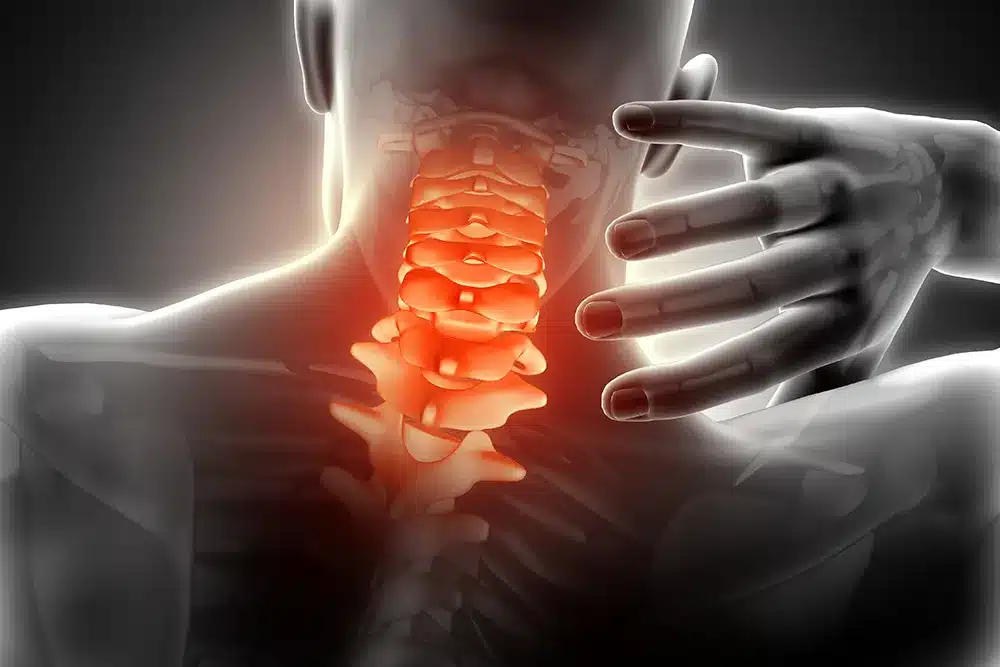
Cervical radiculopathy treatment relieves pain, weakness or numbness caused by a pinched nerve in the neck. Non-surgical care (rest, anti-inflammatory medication and physical therapy) is tried first; surgery such as cervical disc replacement or spinal fusion is considered only if symptoms persist. Treatment is tailored to the cause and severity of your symptoms.
What Is Cervical Radiculopathy Treatment?
Cervical radiculopathy treatment is aimed at easing nerve compression in the cervical spine and reducing symptoms such as pain or tingling that radiates from the neck into the arms. Cervical radiculopathy, often called a “pinched nerve,” occurs when a nerve root in the neck is compressed or irritated as it branches away from the spinal cord. This compression can lead to neurological symptoms such as radiating pain into the shoulder or arm, numbness, tingling, or muscle weakness.
This treatment helps ease this nerve pressure and relieve the associated symptoms. Non-surgical options are usually considered first, including rest, medication, and physiotherapy. If symptoms persist or worsen despite conservative care, surgical treatment may be recommended to reduce nerve compression and help restore normal function.
Causes of Cervical Radiculopathy
Cervical radiculopathy most often develops from age-related changes in the spine or from injury that causes damage to a disc. These changes can narrow the spaces in the cervical spine and place pressure on the nerve roots, leading to pain, numbness, or weakness. Depending on your condition, cervical radiculopathy treatment may be recommended as a solution.
Degenerative Changes
As cervical discs age, they lose height, water content, and flexibility, making them less able to cushion the spine. This process can cause the disc spaces to collapse and the vertebrae to move closer together. In response, the body may form extra bone, known as bone spurs, around the weakened discs to provide stability. While this is a natural process, the additional bone growth can narrow the openings where the nerves exit the spine, causing compression and irritation of the nerve roots. These changes, often called cervical arthritis or spondylosis, are common with ageing. Many people develop worn discs without noticeable symptoms, though some may experience pain and neurological problems when nerves are affected.
Herniated Disc
A herniated disc occurs when the soft, jelly-like centre of a disc pushes against or breaks through its tougher outer layer. If the disc bulges toward the spinal canal, it can place pressure on the nerve root, leading to pain that radiates into the shoulder or arm, as well as numbness or weakness. Herniated discs may develop gradually as discs weaken with age, or suddenly after movements such as lifting, twisting, or bending.
Bone Spurs
Arthritic changes in the cervical spine can also lead to the growth of bone spurs. These are projections of bone that form around weakened or degenerated discs. While they may provide some structural support, bone spurs can reduce the size of the spinal canal or the nerve passageways, creating compression on the nerves and contributing to the development of cervical radiculopathy.
Spinal Stenosis
Spinal stenosis refers to narrowing of the spinal canal, which can occur in the neck due to disc degeneration, arthritis, or bone spurs. This narrowing places pressure on the spinal cord or the nerve roots, sometimes causing symptoms of cervical radiculopathy such as pain, tingling, or weakness in the arms.
Symptoms of Cervical Radiculopathy
Cervical radiculopathy symptoms occur when a nerve in the neck is compressed or irritated. As these nerves extend into the shoulders, arms, chest, and upper back, discomfort may radiate into these areas. The condition usually affects one side of the body and can range from mild to more disabling symptoms. We recommend consulting a specialist if you are experiencing these symptoms to determine if cervical radiculopathy treatment is suitable for you.
Common symptoms include:
- Neck pain that may spread to the shoulder, arm, or hand, often described as sharp, burning, or electric in nature.
- Tingling or “pins and needles” sensations in the fingers, hand, or arm (paresthesia).
- Muscle weakness in the arm, shoulder, or hand, which may affect grip and movement.
- Numbness or loss of sensation in areas served by the affected nerve.
- Reduced reflexes in the arm, which may indicate nerve dysfunction.
- Pain that worsens with neck movements such as turning the head or tilting the neck backwards.
- Temporary relief when resting the hand on top of the head, which can ease pressure on the affected nerve.
What If Cervical Radiculopathy Is Not Treated?
If cervical radiculopathy is not managed, symptoms may persist or worsen over time. Untreated nerve compression can lead to ongoing pain, numbness, or weakness, which may interfere with work, exercise, and daily routines. In some cases, prolonged compression may cause lasting nerve damage. Seeking timely cervical radiculopathy treatment helps protect long-term function and quality of life.
Diagnosis and Tests for Cervical Radiculopathy
Diagnosing cervical radiculopathy involves a careful assessment to confirm the cause of symptoms and guide cervical radiculopathy treatment.
Physical Examination
A spine specialist evaluates posture, range of motion, and neurological function, including strength and reflexes.
X-rays
X-rays help identify disc space narrowing, bone spurs, or other structural changes in the cervical spine.
MRI Scans
MRI provides detailed images of discs, nerves, and soft tissues to detect herniated discs or spinal stenosis.
CT Scans or Myelography
These imaging techniques may be used when more detailed information is required, particularly about bone structures.
Electrodiagnostic Tests
Tests such as EMG (electromyography) may be used to evaluate nerve function and confirm the extent of compression.
Treatment Options for Cervical Radiculopathy
Cervical radiculopathy treatment may include both non-surgical and surgical options, depending on the severity of symptoms and the underlying cause. Treatment plans are individualised, as the condition affects people differently.
Non-Surgical Treatment
Non-surgical care is usually the first step in managing cervical radiculopathy. Most patients achieve good relief with these approaches.
Rest and Immobilisation
Short-term rest and the use of a soft cervical collar may help reduce neck movement and relieve irritation of the nerve root. A collar is usually worn only for one to two weeks to avoid muscle weakening in the neck.
Medication
Anti-inflammatory medicines such as NSAIDs can reduce pain and swelling around the affected nerve. In some cases, a short course of oral corticosteroids may be prescribed to further ease inflammation. Certain nerve pain medicines, including gabapentin or pregabalin, may also be considered for persistent symptoms.
Physical Therapy
Physical Therapy plays an important role in recovery. Treatment may begin with gentle range-of-motion exercises, progressing to strengthening and conditioning as symptoms improve. It also focuses on posture training and safe movement habits to prevent recurrence. In some cases, spinal traction may be used to relieve nerve pressure.
Epidural Steroid Injections
A cervical epidural steroid injection delivers anti-inflammatory medicine around the affected nerve root. While it does not correct the underlying structural issue, it may reduce pain and swelling long enough to support recovery. Not all patients respond, and potential risks mean this option is carefully considered.
Surgical Treatment
Surgery may be considered if symptoms persist despite weeks of non-surgical treatment, or if neurological function worsens. The goal of surgery is to relieve pressure on the nerve root and restore spinal stability.
Cervical Disc Replacement
In this procedure, the damaged disc is removed and replaced with an artificial implant to preserve neck mobility while easing nerve compression.
Spinal Fusion
This option involves removing the affected disc and fusing the vertebrae together. It reduces motion at the treated level to stabilise the spine.
Minimally Invasive Techniques
In some cases, minimally invasive procedures such as endoscopic discectomy or decompression can achieve similar goals as traditional open surgery. These approaches come with smaller incisions and potentially shorter recovery times and are considered for selected cases of radiculopathy.
Prevention of Cervical Radiculopathy
Not all cases of cervical radiculopathy can be prevented, but certain measures may reduce the risk of developing symptoms. Besides cervical radiculopathy treatment, you may also support your spinal health through posture, exercise, and other lifestyle choices that help limit strain on the cervical spine and lower the chances of nerve compression. Some people may also have risk factors, such as performing manual labour, using vibrating machinery, smoking, or playing sports like golf, which can increase the likelihood of the condition. In these cases, taking preventive steps is especially important.
Practical ways to reduce risk include:
- Good posture, ergonomic adjustments and regular movement can help reduce strain on the neck and lower the risk of cervical radiculopathy. If prolonged device use is part of your daily routine, our guide on what is tech neck.
- Avoid staying in one position for long periods by taking breaks to stretch and move.
- Stay physically active with regular exercise to keep neck and shoulder muscles strong and flexible.
- Incorporate gentle neck stretches into daily routines to reduce stiffness.
- Maintain a healthy weight and balanced diet to reduce stress on the spine.
- Use proper lifting techniques and avoid sudden, forceful neck movements during physical activities.
- Apply heat packs for short periods if the neck feels stiff or achy.
- Quit smoking, as smoking is linked to slower healing and higher risk of spinal degeneration.
Post-Care and Rehabilitation for Cervical Radiculopathy
Recovery after cervical radiculopathy treatment involves a structured rehabilitation plan to restore neck function. The process focuses on supporting muscles and lowering the risk of recurrence.
Non-surgical Rehabilitation
For patients managed without surgery, physiotherapy is often recommended over several weeks. Treatment may involve neck traction to relieve pressure on the nerves, posture training to reduce strain on the cervical spine, and exercises that build strength in the neck and shoulder muscles. Therapists may also review daily routines and workplace setups, suggesting changes to improve ergonomics and support long-term spinal health.
Rehabilitation After Surgery
Recovery after surgery is usually longer, with physical therapy often needed for six to eight weeks and full recovery taking several months. Early stages of therapy may focus on reducing pain and stiffness using methods such as heat, ice, or massage, along with gentle guided movement. As healing progresses, the programme shifts to strengthening exercises and conditioning to restore function. Before returning to work or physical activities, therapists may carry out assessments and recommend modifications to reduce the risk of reinjury.
Ongoing Care
Once formal therapy is complete, patients are encouraged to continue their exercises at home as part of long-term care. Maintaining good posture, practising safe movement, and adopting ergonomic habits play a key role in preventing recurrence of cervical radiculopathy and supporting overall spinal health.
When to Seek Immediate Medical Attention
Seek prompt medical attention if you notice increasing clumsiness in your hands, difficulty with fine movements such as buttoning a shirt, unsteadiness or a wide-based gait when walking, or new bladder or bowel changes alongside neck symptoms. These can be signs of cervical myelopathy, spinal cord compression in the neck, which needs urgent specialist evaluation rather than a routine follow-up.

Wu Pang Hung
ABOUT AUTHOR
Dr. Wu Pang Hung is an experienced orthopaedic and spine surgeon in Singapore, specialising in both uniportal and biportal endoscopic spine procedures for complex cervical, thoracic, and lumbar spinal conditions. With over 10 years in the field, he is actively involved in numerous spine societies and contributes to several international journals and textbooks. Dr. Wu has also received specialised training in spine surgery across Canada, South Korea, Japan, and Germany.
Contact Us
WHATSAPP US @+65 9746 6178
CALL US @+65 9746 6178
MAKE AN APPOINTMENT
Frequently Asked Questions (FAQs)
How long does recovery from cervical radiculopathy treatment take?
Recovery time depends on the cause and severity of symptoms as well as the treatment method. Many patients improve with non-surgical treatment within weeks, while surgical recovery may take several months with ongoing rehabilitation.
Is cervical radiculopathy treatment always surgical?
No, most cases can be managed with non-surgical care such as medication, physiotherapy, and lifestyle changes. Surgery is only considered when symptoms are severe, persistent, or linked to progressive nerve damage.
Can cervical radiculopathy cause permanent damage?
If left untreated, cervical radiculopathy may lead to lasting nerve injury. This can result in chronic pain, weakness, or numbness in the arms. Early treatment reduces the risk of permanent complications.
What exercises help with cervical radiculopathy?
Gentle stretches and strengthening exercises for the neck and shoulders can help relieve pressure on nerves and improve posture. A physical therapist can design a safe and tailored programme as part of cervical radiculopathy treatment.
How is cervical radiculopathy diagnosed?
Diagnosis usually involves a physical examination, imaging such as X-rays or MRI scans, and sometimes nerve studies like EMG. These tests confirm the source of nerve compression and guide treatment planning.