Blog

  • Persistent Back Pain After Fusion? Understanding Adjacent Segment Disease in the Spine

    Persistent Back Pain After Fusion? Understanding Adjacent Segment Disease in the Spine

    Introduction

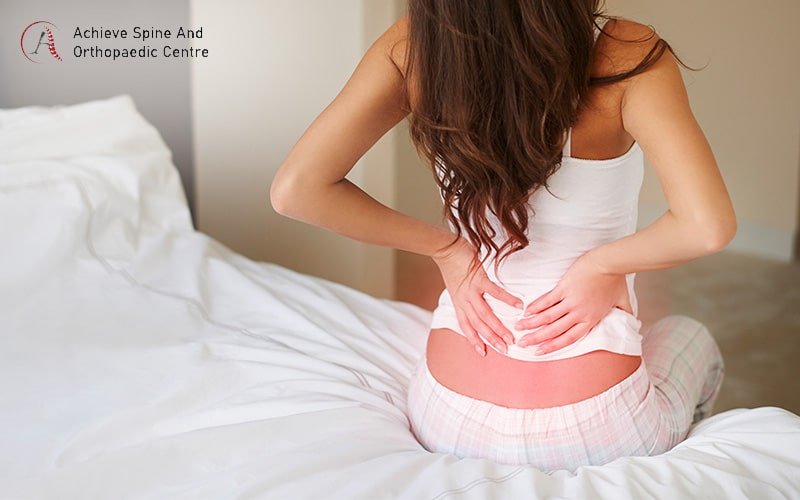
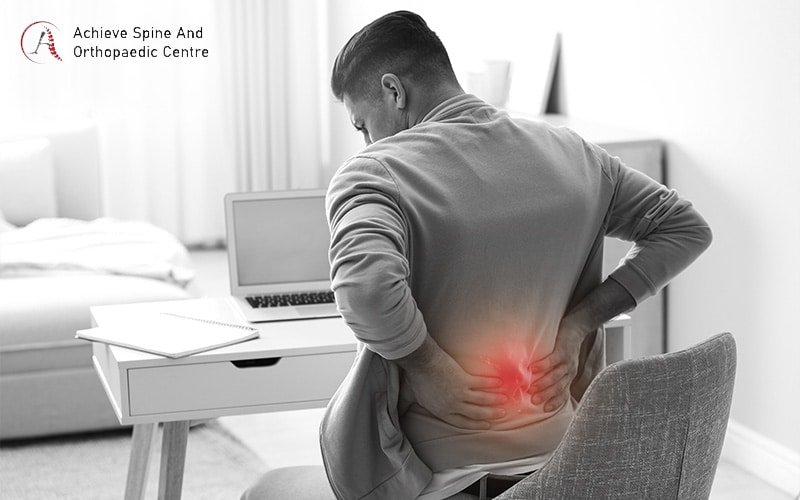
    Patient holding lower back experiencing persistent post-fusion spine pain.

    Spinal fusion surgery is often performed to stabilise a painful or unstable part of the spine. While many patients experience an improvement in their symptoms afterwards, it can be frustrating and confusing when new back or neck pain develops months, or even years, later.

    One possible cause is adjacent segment disease, a condition that occurs when the spinal levels above or below a previous fusion begin to develop problems such as disc degeneration, joint wear, spinal narrowing, or instability. These changes can place pressure on nearby nerves or cause mechanical pain, leading to symptoms such as back or neck pain, numbness, tingling, weakness, or difficulty walking.

    Although it does not affect everyone who undergoes fusion surgery, it may be a potential reason why patients experience discomfort.

    Below, we take a closer look at adjacent segment disease, how it develops, the symptoms to look out for, and the treatment options available.

    Key Takeaways

    • Adjacent segment disease occurs when the spinal levels next to a previous fusion develop changes that begin to cause symptoms such as pain, nerve compression, or reduced function.
    • Common symptoms include new or worsening back or neck pain, pain radiating into the arms or legs, difficulty walking, and reduced mobility.
    • Several factors may contribute to the condition, including increased stress on neighbouring levels, natural ageing, pre-existing degeneration, spinal alignment, and the degree of fusion.
    • Treatment depends on the underlying cause and severity of symptoms. Options may include physical therapy, activity modification, medication, decompression procedures, or additional fusion surgery.
    • In suitable patients, minimally invasive or endoscopic spine surgery techniques may be considered to address the source of symptoms while minimising disruption to surrounding tissues.

    Adjacent Segment Disease vs Adjacent Segment Degeneration

    Although the terms are sometimes used interchangeably, adjacent segment disease and adjacent segment degeneration are not the same thing. The primary difference is that degeneration refers to structural changes without pain, while disease refers to when those changes cause actual symptoms.

    Many people develop some degree of degeneration over time without developing the disease or experiencing symptoms. 

    What Causes Adjacent Segment Disease?

    Adjacent segment disease typically develops due to a combination of factors rather than a single cause. While spinal fusion changes how movement is distributed across the spine, age-related degeneration, pre-existing conditions, and spinal alignment can also contribute to the development of the disease.

    1. Increased Stress on Neighbouring Levels of the Spine

    The spine is designed to share movement across multiple segments. After spinal fusion, the treated segment is no longer able to move. This causes the levels of the spine above and below to take on a greater share of everyday movements, such as bending and twisting.

    Over time, this increased mechanical demand may place additional stress on the discs and joints at these neighbouring levels, potentially accelerating wear.

    2. Natural Ageing and Ongoing Degeneration

    Like the rest of the body, the spine changes as we get older. Spinal discs naturally lose water content and flexibility with age, while facet joints may gradually develop arthritic changes. These processes occur regardless of whether a person has undergone surgery and are a normal part of ageing.

    3. Pre-Existing Degeneration Before Surgery

    In some patients, the levels adjacent to a fusion may already show early signs of disc degeneration before surgery takes place. Mild disc thinning, small disc bulges, or early joint wear may not have been severe enough to require treatment at the time, but these changes can continue to progress over the years. As a result, symptoms that develop later may be a result of an existing condition that has gradually worsened, rather than an entirely new problem.

    4. Multi-Level Fusion

    The number of spinal levels fused can also affect the distribution of forces throughout the spine. When spinal fusion is performed on multiple segments of the spine, the demand placed on the remaining segments increases. This can potentially contribute to accelerated adjacent segment degeneration and, eventually, disease.

    However, surgeons do not fuse multiple levels unnecessarily. If several levels of the spine are already causing problems, they may opt to treat all of the affected areas to enhance stability and symptom relief rather than leave a segment untreated simply to preserve movement.

    5. Spinal Alignment and Balance

    Spinal alignment plays an important role in how weight and movement are distributed throughout the body, especially after an operation. When alignment is well balanced, forces are spread more efficiently across the spine. If alignment is less than ideal, neighbouring levels may need to compensate to maintain posture and balance. Over time, this added workload can increase stress on adjacent segments.

    A spinal specialist should take your spinal alignment into consideration during both the initial surgery and any future treatment planning.

    What Are the Signs of Adjacent Segment Disease?
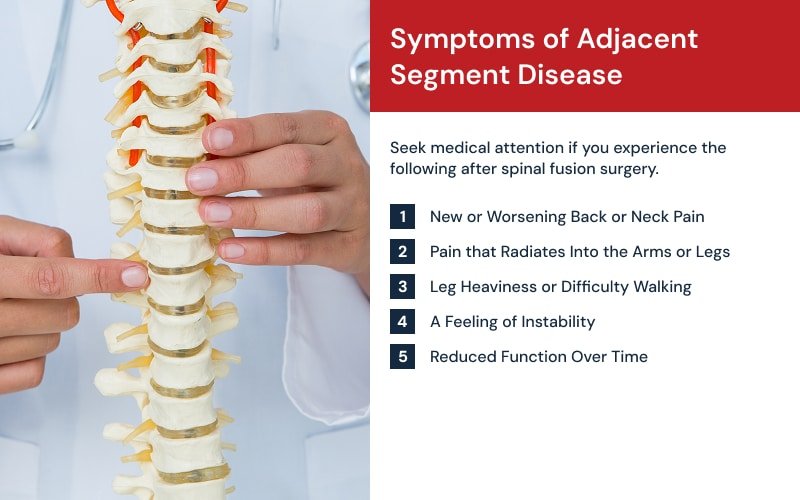
    Infographic listing common symptoms of adjacent segment disease.

    Adjacent segment disease often develops gradually. Some people notice mild symptoms at first, while others experience discomfort that feels similar to the pain they had before their original surgery. The symptoms typically vary depending on the part of the spine affected and whether nearby nerves have become compressed.

    1. New or Worsening Back or Neck Pain

    One of the most common symptoms is pain that develops near the fused segment. This may present as a dull ache, stiffness, or a deeper mechanical discomfort that worsens with certain movements. The pain may be located just above or below the fused level and can become more noticeable during prolonged standing, walking, or physical activity.

    2. Pain that Radiates Into the Arms or Legs

    If degeneration at the adjacent level begins to compress a nerve, the symptoms may extend beyond the spine itself. Patients may develop tingling, numbness, burning sensations, shooting pain, or weakness along the path of the affected nerve. 

    The location of these symptoms often depends on which part of the spine is involved. For example

    • Cervical spine (neck): Symptoms radiating into the shoulders, arms, or hands

    • Lumbar spine (lower back): Symptoms radiating into the buttocks, thighs, calves, or feet.

    3. Leg Heaviness or Difficulty Walking

    In cases where the disease occurs in the lumbar spine, this may lead to spinal stenosis, which is the narrowing of the spinal canal. This places pressure on the nerves travelling through the lower back, which can cause heaviness, cramping, or discomfort in the legs during walking or prolonged standing. Symptoms often improve when sitting down or bending forward.

    4. A Feeling of Instability

    In some cases, patients describe a feeling that their back is less stable than before. For example, they may feel sensations like weakness, discomfort, or “catching” during certain movements such as bending, twisting, or standing up from a seated position. However, these symptoms may not be due to actual spinal instability. Rather, they may be a sign that the adjacent spinal structures are no longer functioning as smoothly as they once did. 

    5. Reduced Function Over Time

    As symptoms progress, everyday activities may become increasingly difficult. Patients may find themselves avoiding long walks, reducing physical activity, or struggling with tasks that require prolonged standing. In more severe cases, weakness, balance difficulties, or reduced mobility may begin to affect quality of life.

    The symptoms of adjacent segment disease can appear within a relatively short period after surgery or may take many years to develop. The timing may vary from person to person and depends on multiple factors, including age, spinal alignment, and activity level. However, any progressive neurological symptoms, particularly worsening weakness or significant changes in walking ability, should be assessed promptly.

    Is It Truly Adjacent Segment Disease?
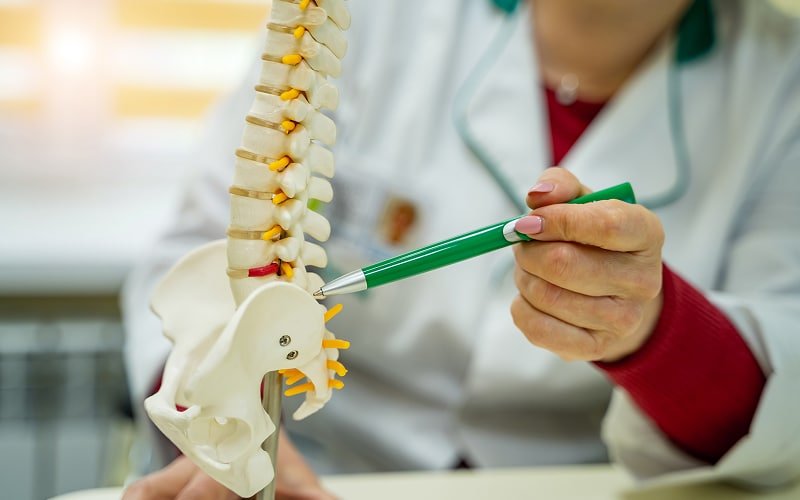
    Doctor pointing to spine model explaining adjacent segment degeneration.

    Complications that develop after spinal fusion may not always be caused by adjacent segment disease. Before making a diagnosis, specialists typically work through a series of questions to identify the source of your discomfort.

    Step 1: Where Is the Pain Coming From?

    First, they will need to understand your symptoms in detail. Your specialist will typically ask about:

    • The exact location of the pain
    • Whether symptoms occur above, below, or directly within the fused area
    • Activities that worsen or relieve symptoms
    • Whether pain travels into the arms or legs
    • The presence of numbness, tingling, or weakness

    Pain patterns often provide valuable clues. For example, pain that follows a specific nerve distribution may suggest compression at an adjacent level rather than general post-surgical discomfort.

    Step 2: Is It Pain From the Adjacent Level, or Something Else?

    Not all pain after fusion originates from the adjacent segment. Several other conditions can produce similar symptoms. This may include:

    Scar tissue affecting a nerve

    Scar tissue may develop around nerve roots after surgery. In some cases, this tissue can irritate nearby nerves and produce symptoms similar to those caused by new nerve compression.

    Hardware-related irritation

    Although uncommon, surgical implants may occasionally contribute to local discomfort. Patients may notice tenderness over the surgical site or pain triggered by specific positions. This tends to produce localised pain rather than radiating nerve symptoms.

    Changes not directly related to fusion

    Other structures can become painful over time, including the facet joints, sacroiliac joints, muscles, and ligaments. These conditions may occur independently and are not necessarily caused by the previous fusion.

    Step 3: Do the Scan Findings Match the Symptoms?
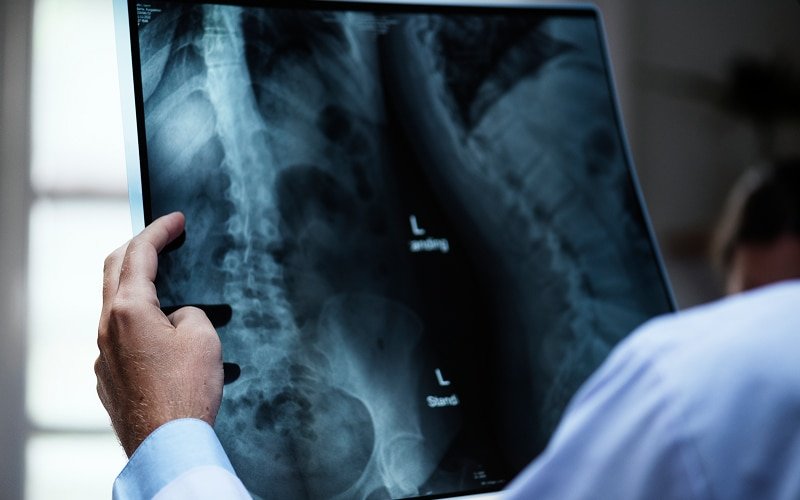
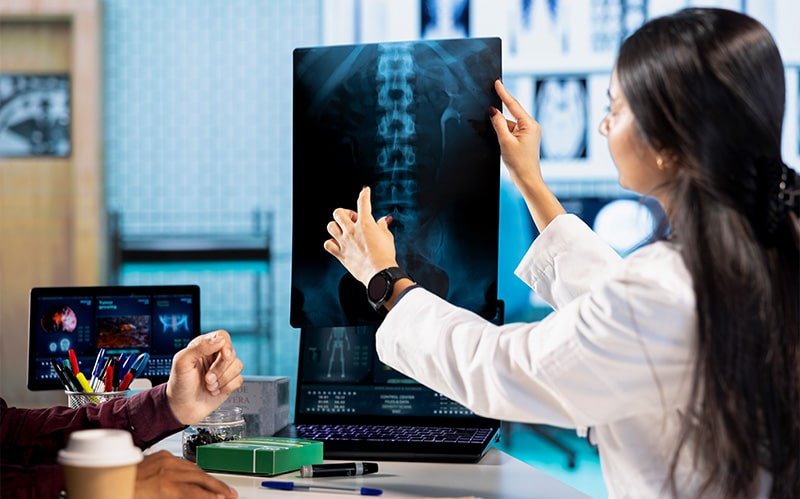
    Medical professional reviewing back X-ray for spinal fusion complications.

    Imaging tests such as MRI scans, CT scans, and X-rays help doctors identify changes in the spine, but they are only one part of the assessment. It is common for people to have findings such as disc degeneration or disc bulges on a scan without experiencing any symptoms.

    A specialist will look for changes at the levels next to the fusion, such as:

    • New disc collapse or degeneration at the adjacent level
    • Herniated or bulging discs
    • Narrowing where nerves exit the spine (foraminal stenosis)
    • Narrowing of the spinal canal (stenosis)
    • Evidence of abnormal movement on dynamic flexion-extension X-rays

    The goal is to determine whether the abnormalities seen on imaging correspond to the patient’s symptoms and examination findings.

    Step 4: Can the Source of Pain be Confirmed?

    Sometimes, symptoms and imaging findings do not point clearly to a single source of pain. In these situations, a specialist may recommend a targeted diagnostic injection.

    The injection is placed around a specific structure that is suspected to be causing the symptoms, such as a nerve root or facet joint. If the patient’s pain improves significantly after the injection, it suggests that the treated area is likely contributing to the symptoms. This can help confirm the diagnosis and guide future treatment decisions, particularly when considering more invasive procedures.

    How is Adjacent Segment Disease Treated?
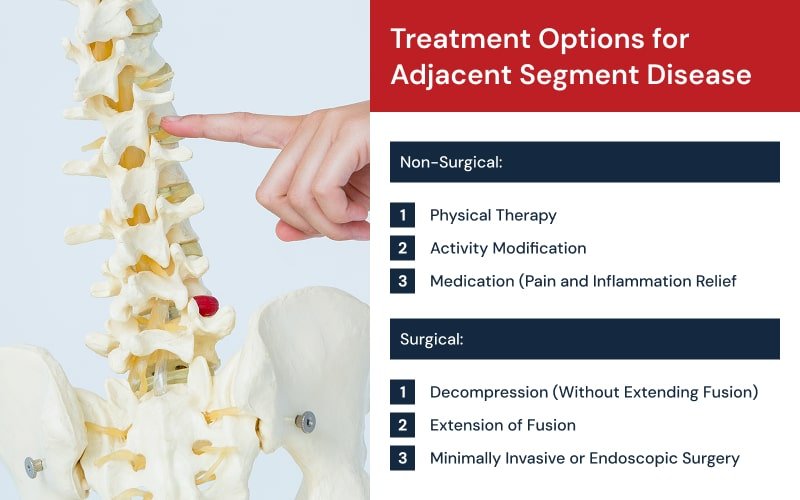
    Infographic outlining surgical and non-surgical adjacent segment disease treatments.

    The most appropriate treatment for adjacent segment disease depends on several factors, including the severity of symptoms, the presence of nerve compression, spinal stability, and how much the condition is affecting daily life. While some patients may require surgery, non-surgical measures can also provide relief.

    Non-Surgical Management

    For patients with mild to moderate symptoms and no significant nerve-related problems, conservative treatment is often the first step. The goal is to manage symptoms, improve function, and reduce stress on the affected spinal level.

    1. Physical Therapy

    Physical therapy focuses on improving the way the spine moves and functions. Your doctor may prescribe exercises to strengthen the core and back muscles, improve flexibility, and address posture or movement habits that place unnecessary stress on the spine. Strengthening the supporting muscles can help take some of the load off the affected spinal segments and improve overall stability.

    2. Activity Modification

    Certain movements and activities can aggravate symptoms. Rather than avoiding activity altogether, doctors may encourage patients to identify specific triggers and make practical adjustments where possible. This may include using proper weight-lifting techniques, modifying exercise routines, or taking regular, timed breaks from sitting.

    These adjustments can help reduce strain on the affected spinal level while allowing patients to remain active and maintain their daily routines.

    3. Medication for Symptom Control

    Medication may be prescribed to help manage pain, especially during symptom flare-ups. Depending on the type and severity of your pain, your doctor may prescribe anti-inflammatory medication and pain relievers. While medication does not address the underlying structural causes, it may help improve comfort and allow patients to participate more actively in rehabilitation.

    Surgery for Adjacent Segment Disease

    Revision spine surgery may be considered when your symptoms persist despite conservative treatment, neurological symptoms worsen, or imaging confirms structural changes that are unlikely to improve without intervention. The specific procedure depends on the underlying cause of the symptoms.

    1. Targeted Decompression Without Extending Fusion

    In selected patients, nerve compression may be the primary problem while the adjacent segment remains stable. 

    In these situations, decompression alone may be sufficient. The procedure removes the structures pressing on the nerve to relieve symptoms, without extending the previous fusion to the neighbouring level. This means the surgeon can address the nerve compression without permanently joining an additional segment of the spine, helping to preserve more natural movement.

    2. Extension of Fusion to the Adjacent Level

    If adjacent segments of the spine have become unstable, severely worn down, or structurally compromised, your surgeon may recommend extending the existing fusion to include this newly affected level.

    This involves permanently joining an additional spinal segment to improve stability and reduce abnormal movement that may be contributing to pain or nerve compression. While this approach can help address both the source of instability and the compressed nerves, it also further affects and restricts spinal movement.

    For this reason, careful assessment and surgical planning are important when determining whether extending a fusion is the most appropriate option.

    3. Minimally Invasive or Endoscopic Revision Surgery

    In suitable patients, adjacent segment disease may be treated using minimally invasive spinal surgery

    Rather than accessing the spine through a larger incision, surgeons use specialised instruments, such as an endoscope, and cameras to reach the affected area through smaller openings. This can be particularly beneficial in patients who have previously undergone spinal fusion, as it may allow surgeons to access the adjacent level while minimising disruption to the surrounding muscles and soft tissues.

    With less tissue disturbed during surgery, some patients may experience less postoperative pain, a shorter hospital stay, and a quicker return to daily activities. However, not every case is suitable for a minimally invasive or endoscopic approach. The most appropriate technique depends on factors such as the location of the affected segment, spinal stability, and the complexity of the condition.

    Frequently Asked Questions

    1. How long does adjacent segment disease take to develop?

    The disease can develop months or even years after fusion surgery. One study found that adjacent segment disease developed an average of 4.7 years after the initial fusion surgery. However, the timeline varies from person to person and can be influenced by factors such as age, spinal alignment, the number of fused levels, and the presence of pre-existing degeneration.

    2. Can adjacent segment disease be prevented?

    There is no guaranteed way to completely prevent adjacent segment changes, as spinal degeneration is part of natural ageing. However, maintaining good posture, core strength, healthy weight and spinal alignment may help reduce mechanical stress. Careful surgical planning and appropriate level selection during the initial fusion also play a role.

    3. Can I continue exercising if I have adjacent segment disease?

    In many cases, yes. Staying active can help maintain strength, flexibility, and overall spinal function. However, certain activities may aggravate symptoms, particularly those involving repetitive bending, twisting, or heavy lifting. A spine specialist can advise on which exercises are appropriate and whether any modifications are needed based on your symptoms and condition.

    Conclusion

    No two cases of adjacent segment disease are exactly alike. Factors such as the location of the affected level, the presence of nerve compression, spinal stability, and a patient’s lifestyle goals all influence the most appropriate treatment approach. This is why treatment planning often requires a careful balance between relieving symptoms, preserving function, and maintaining long-term spinal health.

    At Achieve Spine And Orthopaedic Centre, we focus on preserving motion and reducing recovery times where appropriate. With options for minimally invasive and endoscopic spine surgery, we aim to address the source of your symptoms while minimising disruption to surrounding muscles and soft tissues. If you are experiencing persistent discomfort after spinal fusion surgery, contact us to arrange a consultation and discuss the treatment options available.

    References:

    1. Loggia, G., Farshad, M., Jokeit, M., Widmer, J., Dossi, S., & Burkhard, M. D. (2025). Impact of spinal alignment on adjacent segment disease and degeneration after short-segment lumbosacral fusion. The Spine Journal, 25(11), 2461–2474. https://doi.org/10.1016/j.spinee.2025.03.032
    2. Kim, B. Y., Concannon, T. A., Barboza, L. C., & Khan, T. W. (2021). The Role of Diagnostic Injections in Spinal Disorders: A Narrative Review. Diagnostics (Basel, Switzerland), 11(12), 2311. https://doi.org/10.3390/diagnostics11122311
    3. Okuda, S., Yamashita, T., Matsumoto, T., Nagamoto, Y., Sugiura, T., Takahashi, Y., Maeno, T., & Iwasaki, M. (2018). Adjacent Segment Disease After Posterior Lumbar Interbody Fusion: A Case Series of 1000 Patients. Global spine journal, 8(7), 722–727. https://doi.org/10.1177/2192568218766488

    Dr.Hu Pang Hung

    Wu Pang Hung

    ABOUT AUTHOR

    Dr. Wu Pang Hung is an experienced orthopaedic and spine surgeon in Singapore, specialising in both uniportal and biportal endoscopic spine procedures for complex cervical, thoracic, and lumbar spinal conditions. With over 10 years in the field, he is actively involved in numerous spine societies and contributes to several international journals and textbooks. Dr. Wu has also received specialised training in spine surgery across Canada, South Korea, Japan, and Germany.

    Contact Us

    WHATSAPP US @+65 9746 6178

    CALL US @+65 9746 6178

    MAKE AN APPOINTMENT

  • What Is Sagittal Imbalance? How Spinal Alignment Affects Posture and Pain

    What Is Sagittal Imbalance? How Spinal Alignment Affects Posture and Pain

    Key Takeaways

    • Sagittal imbalance occurs when the spine loses its natural front-to-back alignment, making it harder for the body to maintain an upright posture efficiently.
    • Changes in spinal alignment can lead to fatigue, chronic pain, and compensatory posture adjustments.
    • Common causes include age-related degeneration, trauma, previous spinal surgery, and congenital spinal conditions.
    • Treatment ranges from physiotherapy and lifestyle modifications to surgical correction in more severe cases.
    • Modern minimally invasive and endoscopic spine surgery techniques can help reduce sagittal strain with less tissue disruption and potentially faster recovery.

    Introduction

    Woman holding her lower back in severe pain.

    As we age, many of us notice subtle changes in the way we stand or move. Perhaps you might be leaning forward more than before, or you find yourself needing to bend your knees to stay comfortable when walking.

    While these changes could simply be normal signs of ageing, they can sometimes be due to sagittal imbalance, a condition that affects how the spine supports the body’s posture and balance. Over time, it can contribute to pain, fatigue, and reduced mobility if left unaddressed.

    What Is Sagittal Imbalance?

    The spine is designed with natural curves that help distribute body weight while allowing us to stand upright with minimal effort. This front-to-back relationship of the spine is known as sagittal balance.

    Imbalance occurs when these natural curves become disrupted, causing the body’s centre of gravity to shift forward or backwards. When this happens, the muscles, joints, and supporting structures of the spine must work harder to maintain balance.

    What are the Common Causes?

    Several factors can contribute to changes in spinal alignment, including:

    1. Degenerative Conditions

    Age-related changes such as disc degeneration, osteoporosis, and certain forms of arthritis can gradually alter the spine’s natural curvature and balance.

    2. Previous Spine Surgery

    In some cases, previous surgeries can affect spinal alignment. For example, if the natural curve of the lower back is reduced following spinal fusion or laminectomy, it can alter the way the spine balances the body’s weight. In more severe cases, this may lead to a condition known as Flatback Syndrome, where patients experience difficulty standing upright.

    3. Spinal Trauma

    Compression fractures and other spinal injuries may change the structure of the spine, leading to progressive deformity and imbalance.

    4. Congenital Conditions

    A congenital spinal deformity or other spinal abnormalities present from birth can affect how the spine develops and functions over time.

    How Spinal Imbalance Impacts Function and Quality of Life

    When the spine falls out of proper alignment, the body’s centre of gravity shifts forward. As a result, the muscles, joints, and surrounding structures must work harder to keep the body balanced and upright. Over time, this can lead to several noticeable changes in posture and movement.

    1. A Stooped, Forward-Leaning Posture

    One of the most noticeable signs of sagittal imbalance is a gradual forward shift in posture. Individuals may find it increasingly difficult to stand fully upright, even when consciously trying to straighten their back. In some cases, the forward tilt becomes more noticeable during walking or prolonged standing.

    2. Other Compensatory Postural Changes

    In addition to leaning the torso forward, the body may adopt other compensatory postures like bending the hips and knees or tilting the pelvis backward. While these adjustments can help maintain the body’s stability, they may place more strain on the spine and lower limbs.

    3. Pain and Fatigue

    With the muscles constantly working harder to support the body’s posture, it is common to experience persistent aching in the lower back, buttocks, or legs. Activities such as walking, standing in queues, or performing household tasks may also become increasingly tiring. Individuals may experience chronic pain, fatigue, and reduced physical function.

    How is Sagittal Imbalance Treated?

    Doctor analyzing a spinal X-ray film.

    Treatment usually depends on the severity of the deformity, the underlying cause, and the extent to which symptoms affect daily activities.

    Monitoring and Activity Modification

    Not all cases require immediate intervention. For patients with minimal symptoms, a spine specialist may recommend ongoing monitoring to track any progression of the condition. This may involve periodic clinical assessments and imaging studies, along with activity modifications to minimise excessive strain on the spine. 

    Where appropriate, your doctor may also recommend achieving or maintaining a heathy body weight to reduce the load placed on the spine.

    Conservative Management

    For mild or early cases, non-surgical treatments like physiotherapy may be recommended. Physiotherapy programmes typically focus on postural retraining, where they work on strengthening the muscles that support the spine and improving core stability. This helps improve overall mobility and reduce the muscular effort required to maintain an upright posture.

    Surgical Correction

    When symptoms become severe and significantly affect daily life, surgery may be considered. Depending on the nature of the deformity, treatment may involve:

    • Decompression procedures to relieve pressure on nerves
    • Osteotomies to restore alignment in rigid deformities
    • Instrumented spinal fusion procedures for stability and correction

    For selected patients, minimally invasive approaches may offer alternatives to traditional open surgery. For example, if imbalance is partly related to degenerative changes such as spinal stenosis or disc collapse, endoscopic decompression can help relieve nerve pressure. Minimally invasive fusion or reconstruction techniques may also be considered to restore spinal support and improve alignment with smaller incisions and shorter recovery time.

    However, not every case of sagittal imbalance is suitable for these approaches, especially when the deformity is severe or rigid. 

    Conclusion

    Sagittal imbalance is more than a postural concern. As the spine’s natural alignment changes, everyday activities such as standing, walking, and staying active can become more challenging over time. Fortunately, a range of treatment options are available, from physiotherapy and monitoring to surgical correction in more severe cases.

    At Achieve Spine And Orthopaedic Centre, our team of spine specialists will conduct a comprehensive assessment to understand the cause and severity of your spinal alignment changes. Where treatment is required, we focus on recommending the least invasive option appropriate for your condition, including minimally invasive and endoscopic spine surgery techniques where suitable. 

    Make an appointment with us today.

    Dr.Hu Pang Hung

    Wu Pang Hung

    ABOUT AUTHOR

    Dr. Wu Pang Hung is an experienced orthopaedic and spine surgeon in Singapore, specialising in both uniportal and biportal endoscopic spine procedures for complex cervical, thoracic, and lumbar spinal conditions. With over 10 years in the field, he is actively involved in numerous spine societies and contributes to several international journals and textbooks. Dr. Wu has also received specialised training in spine surgery across Canada, South Korea, Japan, and Germany.

    Contact Us

    WHATSAPP US @+65 9746 6178

    CALL US @+65 9746 6178

    MAKE AN APPOINTMENT

    Sample Text

    Sample Heading

    Dr.Hu Pang Hung

    Wu Pang Hung

    ABOUT AUTHOR

    Dr. Wu Pang Hung is an experienced orthopaedic and spine surgeon in Singapore, specialising in both uniportal and biportal endoscopic spine procedures for complex cervical, thoracic, and lumbar spinal conditions. With over 10 years in the field, he is actively involved in numerous spine societies and contributes to several international journals and textbooks. Dr. Wu has also received specialised training in spine surgery across Canada, South Korea, Japan, and Germany.

    Contact Us

    WHATSAPP US @+65 9746 6178

    CALL US @+65 9746 6178

    MAKE AN APPOINTMENT
  • Should You Worry About a Headache After Falling?

    Should You Worry About a Headache After Falling?

    Key Takeaways

    • If you develop a headache after a fall, it may be due to muscle strain, minor trauma, or a cervical spine injury.
    • While many headaches are short-lived, persistent or worsening symptoms could indicate a post-traumatic headache or concussion.
    • Watch out for concussion warning signs such as dizziness, confusion, nausea, or sensitivity to light.
    • Seek urgent care if you notice red flags like blurred vision, difficulty speaking, or loss of balance.

    Introduction

    Elderly woman falling and getting a headache.

    Slipping on a wet floor, missing a step, or losing your balance are everyday accidents that usually leave behind nothing more than a bruise. But if you develop a headache after a fall, it may be a sign that something more serious is going on.

    Most minor headaches are temporary, but some can point to underlying issues like a concussion or even a spinal injury. Being able to tell the difference between normal discomfort and concerning symptoms is key. Let’s explore the possible causes, potential complications, and when you should seek medical attention.

    Reasons Why You May Be Experiencing a Headache After a Fall

    A fall might leave you with lingering head discomfort in multiple ways:

    Muscle Tension or Whiplash

    The impact of a fall may cause the neck muscles to contract suddenly. This muscle tension, or a whiplash-like effect, can radiate into the head and trigger an aching or throbbing sensation. The pain usually eases with rest, gentle stretching, or ice packs.

    Mild Head Trauma

    Even if you did not hit your head directly, your brain may have shifted slightly within the skull during the fall. This movement can cause temporary irritation, resulting in a mild headache that typically fades within a day or two.

    Cervical Spine Strain

    Falls that jolt the upper spine can cause strain or injury to the neck area. If the cervical spine is affected, nerve irritation may trigger headaches that appear hours after the accident. People with a history of spinal issues or chronic neck stiffness may be more prone to these symptoms.

    Are There Any Potential Complications?

    Woman with a headache after a fall.

    While having a headache after a fall is often harmless, some conditions and symptoms may require closer attention.

    Post-Traumatic Headache and Concussion

    A post-traumatic headache develops after an injury, even a seemingly minor fall. If the headache is accompanied by dizziness, nausea, confusion, difficulty concentrating, or sensitivity to light, these may be warning signs of a concussion. Concussions can occur without loss of consciousness and should always be taken seriously.

    Spine-Related Issues

    Sometimes the headache is not from the head itself but from the neck and spine. Falls can aggravate problems such as a bulging or herniated disc in the cervical spine. When nerves are compressed, the pain can travel upward, causing headaches and related symptoms. In these cases, seeking medical advice is important, as specialised spine injury treatment or physiotherapy may be required.

    Red Flags That Should Not Be Ignored

    Certain symptoms are considered red flags that require immediate medical attention. These include:

    • Severe or worsening headache
    • Blurred or double vision
    • Slurred speech or difficulty forming words
    • Loss of balance or coordination
    • Sudden weakness or numbness in the arms or legs

    These signs may indicate a serious head or cervical spine injury and should not be managed at home.

    When Should You Seek Help?

    Knowing when to consult a doctor when you have a headache after a fall is essential.

    If your headache is minor, improves within a couple of days, and is not accompanied by other symptoms, home remedies may suffice. Rest, hydration, and over-the-counter pain relief are often enough. However, if the pain does not improve or intensifies, and if you experience any of the previously listed symptoms, it’s best to seek medical advice. A spine specialist can help determine whether further investigations are needed.

    In many cases, treatment begins with conservative options such as medication, rest, or physiotherapy to ease symptoms and support recovery. If these measures are not effective, surgical treatment may be considered. In selected cases, minimally invasive spine surgery may also be an option, using smaller incisions and specialised instruments to relieve pressure on the nerves while reducing disruption to surrounding tissues.

    When a Simple Fall Calls for Closer Attention

    Not every headache after a fall signals a serious condition, but ignoring one can be risky. Some headaches may be linked to temporary muscle tension, while others could point to a post-traumatic headache, concussion, or spine injury. Paying attention to your symptoms and recognising when professional care is needed ensures that you respond appropriately.

    If your headache persists or you notice concerning symptoms, consulting a medical professional is the safest approach. At Achieve Spine and Orthopaedic Centre, we provide careful assessments to understand the cause of your condition and offer spine pain treatment options tailored to your needs. We also specialise in minimally invasive techniques, such as endoscopic spinal surgery, designed to address symptoms while helping reduce downtime in recovery.

    Arrange a consultation with our specialist today!

    Dr.Hu Pang Hung

    Wu Pang Hung

    ABOUT AUTHOR

    Dr. Wu Pang Hung is an experienced orthopaedic and spine surgeon in Singapore, specialising in both uniportal and biportal endoscopic spine procedures for complex cervical, thoracic, and lumbar spinal conditions. With 18 years in the field, he is actively involved in numerous spine societies and contributes to several international journals and textbooks. Dr. Wu has also received specialised training in spine surgery across Canada, South Korea, Japan, and Germany. 

    Contact Us

    WHATSAPP US @+65 9746 6178

    CALL US @+65 9746 6178

    MAKE AN APPOINTMENT

  • Back Pain and Unexplained Weight Loss: When to See a Doctor

    Back Pain and Unexplained Weight Loss: When to See a Doctor

    Key Takeaways

    • Many cases of back pain tend to ease with time, but persistent pain combined with unexplained weight loss should not be ignored.
    • This combination of symptoms may point to underlying conditions such as spinal infections or tumours, rather than simple muscle strain.
    • Warning signs to watch for include night pain, fever, neurological symptoms, or pain that does not improve with rest or medication.
    • Early medical assessment allows doctors to identify the cause and reduce the risk of nerve damage or spinal instability.
    • Many spinal infections and tumours can be treated, with minimally invasive and endoscopic spine surgery offering options for selected patients.

    Introduction

    Woman on scale, highlighting weight loss and back pain links.

    Back pain is often something people try to manage on their own, especially when it feels linked to long hours at a desk or a physically demanding routine. If you start noticing unexplained weight loss alongside ongoing back discomfort, it can understandably raise questions or concerns.

    In this article, we explore why this combination of symptoms should not be overlooked, what spine-related conditions may be involved, and when to seek medical assessment.

    Why Unexplained Weight Loss With Back Pain Is a Red Flag

    Weight loss is not always a cause for concern, especially when it follows deliberate changes in diet or physical activity. However, unexplained weight loss refers to a reduction in body weight that occurs without intentional changes to diet, exercise, or lifestyle and often signals that the body is under physiological stress.

    When this occurs alongside persistent or worsening back pain, it suggests that the cause may extend beyond a simple muscle or joint issue.

    Possible reasons include:

    • Systemic stress or inflammation: Infections, inflammatory conditions, or other medical issues can increase the body’s energy demands. Over time, this may lead to fatigue and weight loss even when eating patterns remain stable.
    • Pain from deeper spinal structures: Pain arising from vertebrae, discs, nerves, or surrounding tissues behaves differently from muscle strain. It often persists at rest, may worsen at night, and is less affected by posture or movement.

    Infections and Tumours That Cause Back Pain and Unexplained Weight Loss

    Certain spinal conditions develop quietly and may not cause dramatic symptoms early on. This makes awareness especially important.

    Spine infections

    A spinal cord infection, such as discitis or osteomyelitis, occurs when bacteria or other pathogens infect spinal structures. These infections can develop after surgery, bloodstream infections, or in individuals with weakened immune systems.

    Seek medical review if you experience:

    • Severe, persistent back pain that is present even at rest
    • Fever, chills, or night sweats
    • Fatigue and unexplained weight loss as the body mounts an immune response

    Without treatment, infection can spread, weaken vertebrae, or affect nearby nerves.

    Spine tumours

    Tumours in the spine may be benign or malignant. Some cases of spinal cancer involve gradual changes that are easy to overlook at first.

    Potential symptoms include:

    • Pain that worsens at night or does not ease with position changes
    • Neurological symptoms such as numbness, weakness, or tingling
    • Weight loss that is linked to prolonged systemic stress

    Tumours may press on nerves or weaken the bones of the spine, increasing the risk of fracture or instability if not addressed early.

    How Spinal Infections and Tumours Are Diagnosed

    If your unexplained weight loss and back pain occur alongside these additional symptoms, it’s best to seek medical advice early. Early intervention can help reduce pain, protect nerve function, and prevent further spinal damage.

    How Are the Conditions Diagnosed?

    Doctors begin by gathering a clear picture of your symptoms and health background.

    • Clinical assessment: They review how your pain started, how it has progressed, and whether you have experienced weight loss, fever, or neurological changes to help identify areas of concern.
    • Imaging studies: Doctors commonly use MRI scans to examine spinal discs, bones, nerves, and surrounding tissues in detail. MRI helps detect infection, inflammation, tumours, and spinal cord compression. X-rays or CT scans also help assess bone structure and alignment.
    • Laboratory tests and further investigations: Blood tests help identify infection or inflammatory activity. When necessary, doctors may recommend a biopsy or tissue sampling to confirm the diagnosis and guide further management.

    Can Spinal Tumours and Infections Be Treated?

    Doctors can treat both spinal infections and spinal tumours, especially when they identify the condition early and tailor care to the individual. Treatment focuses on addressing the underlying cause, relieving pain, protecting nerve function, and maintaining spinal stability.

    Treating Spinal Infections

    Doctors usually begin treatment for spinal infections with medication such as antibiotics or antimicrobial therapy based on the type of infection. Treatment often continues for several weeks, with regular monitoring to ensure the infection resolves.

    When infection leads to complications such as abscess formation, worsening pain, or nerve compression, doctors may recommend surgery. In suitable cases, surgeons may use minimally invasive spine surgery to remove infected tissue or relieve pressure on nerves. In more severe infections, surgery may involve debridement, where infected or damaged tissue is removed, followed by spinal stabilisation using hardware or bone grafts.

    Treating Spinal Tumours

    Doctors plan treatment for spinal tumours based on tumour type, location, and its effect on the spine and nerves. Tumours may be primary (originating in the spine) or secondary (spreading from another part of the body), and each requires a different approach.

    For secondary (metastatic) spinal tumours, treatment often involves a combination of:

    • Chemotherapy or radiation therapy to control tumour growth and relieve symptoms
    • Stereotactic radiosurgery for targeted radiation in selected cases
    • Surgery when pain persists, nerves are compressed, or spinal stability is affected

    For primary spinal tumours, doctors may recommend:

    • Regular monitoring with imaging for small, slow-growing tumours
    • Surgical removal when symptoms progress or nerve function is at risk
    • Additional cancer treatments when malignancy is present

    When surgery is required, minimally invasive or endoscopic spinal procedures may be suitable for selected patients. These approaches allow surgeons to relieve pressure on nerves or stabilise the spine through smaller incisions, helping to reduce tissue disruption and support recovery.

    Conclusion

    Man at desk with lower back pain needing medical advice.

    Persistent back pain should not be something you simply live with, especially when unexplained weight loss is also present. By seeking medical advice promptly and having your symptoms properly assessed, you can better understand what may be causing these changes and take informed steps towards appropriate care.

    If you are experiencing ongoing back pain or concerning symptoms, it may be time to visit a spinal clinic like Achieve Spine and Orthopaedic Centre. Led by Dr Wu Pang Hung, we focus on minimally invasive and endoscopic spine surgery, including uniportal and biportal techniques, to treat a wide range of spinal conditions while preserving movement and supporting recovery.

    Book an appointment today.

    Dr.Hu Pang Hung

    Wu Pang Hung

    ABOUT AUTHOR

    Dr. Wu Pang Hung is an experienced orthopaedic and spine surgeon in Singapore, specialising in both uniportal and biportal endoscopic spine procedures for complex cervical, thoracic, and lumbar spinal conditions. With 18 years in the field, he is actively involved in numerous spine societies and contributes to several international journals and textbooks. Dr. Wu has also received specialised training in spine surgery across Canada, South Korea, Japan, and Germany. 

    Contact Us

    WHATSAPP US @+65 9746 6178

    CALL US @+65 9746 6178

    MAKE AN APPOINTMENT

  • What Are Cervical Osteophytes, and Should You Be Worried?

    What Are Cervical Osteophytes, and Should You Be Worried?

    Key Takeaways

    • Cervical osteophytes are bony growths that form along the vertebrae in the neck.
    • They often develop due to ageing, cervical spine degeneration, or arthritis.
    • Symptoms may include stiffness, pain, and, in some cases, nerve compression in the neck.
    • Many cases are managed conservatively, but surgical procedures such as cervical spine decompression may be considered if symptoms persist.

    Introduction

    Woman experiencing neck pain while working.

    Neck stiffness and discomfort are often attributed to modern lifestyle factors like prolonged screen time or poor posture. While these habits certainly play a role, the underlying cause is not always so straightforward. In some cases, the issue may be related to changes within the spine itself. Cervical osteophytes are one such condition.

    In this article, we take a closer look at what they are, the signs to watch out for, and when it may be necessary to seek treatment.

    What Are Cervical Osteophytes?

    Illustration of cervical osteophytes on the spine

    Osteophytes are bony outgrowths that develop along the edges of joints or bones. They are the result of the body’s natural response to wear and tear, instability, or ageing. When cartilage gradually breaks down, whether due to arthritis, repeated stress, or degeneration, the body attempts to protect and stabilise the area by forming extra bone. They are also most common in individuals over the age of 50.

    When these outgrowths occur along the vertebrae in the neck, they are referred to as cervical osteophytes. Since the cervical spine is responsible for supporting head movement and flexibility, bone spurs in this region can sometimes contribute to stiffness and even pain if they press on surrounding structures.

    Symptoms You Might Notice

    Not everyone with neck osteophytes will experience symptoms. In fact, many are discovered incidentally on X-rays or scans performed for other reasons. However, when symptoms do occur, they may include:

    • Neck stiffness and reduced mobility
    • Localised neck pain that worsens with movement or radiates to the shoulders and arms
    • Neurological signs, like tingling, numbness, or weakness in the arms or hands
    • Difficulty swallowing

    In more advanced cases, spinal cord deformation may occur if the bone spurs encroach into the spinal canal. This can lead to more significant neurological issues and requires careful, professional assessment.

    Do Bone Spurs in the Neck Always Require Treatment?

    Not all cases of spinal osteophytes require medical intervention. For many, simple strategies can help manage discomfort:

    • Lifestyle adjustments: Improving posture, staying active, and avoiding prolonged neck strain
    • Physiotherapy: Exercises that strengthen surrounding muscles and improve mobility
    • Medication: To manage pain or inflammation when symptoms flare up

    If conservative measures do not provide relief, or if there are signs of nerve compression, surgical treatment may be recommended. An osteophytectomy, for example, involves removing the bony growths that are pressing against nearby nerves or the spinal cord.

    In specific cases, an osteophytectomy may be combined with other procedures like an anterior cervical discectomy and fusion (ACDF). This involves removing a damaged or degenerated disc in the neck and then stabilising the spine by fusing the adjacent vertebrae. This combination may be considered when both disc degeneration and osteophytes are contributing to nerve compression.

    For suitable patients, there are also motion-preserving alternatives to ACDF. These include cervical disc replacement, which maintains movement at the affected spinal level, and posterior endoscopic cervical foraminotomy, which relieves nerve compression without fusion. These options may be considered depending on the location of compression, spinal stability, and overall clinical findings.

    Today, the availability of minimally invasive spine surgery in Singapore allows some of these procedures to be performed using smaller incisions and less tissue disruption. This approach is suitable for individuals who require surgical treatment but also wish to minimise downtime and return to their daily routines more quickly.

    Conclusion: When It’s More Than Just Stiffness

    Neck pain and stiffness should not always be dismissed as everyday strain. Cervical osteophytes, though common, can sometimes lead to further complications if left unaddressed. Once you start experiencing symptoms that interfere with daily activities, it’s time to seek help from a professional spine specialist in Singapore.

    At Achieve Spine and Orthopaedic Centre, we provide thorough assessments to understand your condition and recommend treatment tailored to your needs. Our focus includes minimally invasive options where appropriate, helping you manage symptoms with less disruption to your daily life. Take early action—get in touch with our specialists today.

    Dr.Hu Pang Hung

    Wu Pang Hung

    ABOUT AUTHOR

    Dr. Wu Pang Hung is an experienced orthopaedic and spine surgeon in Singapore, specialising in both uniportal and biportal endoscopic spine procedures for complex cervical, thoracic, and lumbar spinal conditions. With 18 years in the field, he is actively involved in numerous spine societies and contributes to several international journals and textbooks. Dr. Wu has also received specialised training in spine surgery across Canada, South Korea, Japan, and Germany. 

    Contact Us

    WHATSAPP US @+65 9746 6178

    CALL US @+65 9746 6178

    MAKE AN APPOINTMENT

  • Radiating Pain in Your Left Arm: How to Tell if It’s Your Heart or Your Spine

    Radiating Pain in Your Left Arm: How to Tell if It’s Your Heart or Your Spine

    Key Takeaways

    • Radiating pain in the left arm can come from either heart or spine-related conditions, making it important to distinguish between the two.
    • Cardiac-related pain often feels heavy or squeezing and is usually accompanied by symptoms like chest tightness or shortness of breath.
    • Spine-related pain is commonly linked to cervical radiculopathy, nerve compression, or posture-related strain.
    • Seek immediate medical care for cardiac red flags, and consult a spine specialist in Singapore if symptoms persist or involve numbness or weakness.

    Introduction

    X-ray highlighting a lumbar vertebral fracture.

    Experiencing a radiating pain in your left arm? The causes can be hard to pin down, especially when many immediately associate this symptom with heart problems. But in some cases, this pain can stem from the spine. By learning how to tell heart-related warning signs apart from spinal issues, you can respond quickly and seek the right medical attention when needed.

    Common Causes of Left Arm Pain

    Pain in your left arm can be a symptom of various underlying conditions

    • Muscle strain: Overuse, poor posture, or repetitive movements can trigger muscle tension that radiates into the arm.
    • Nerve compression: When a cervical disc or bone spur narrows the spinal canal, pain may travel along the nerves into the arm.
    • Cardiac problems: Reduced blood flow to the heart, such as during angina or a heart attack, may present as referred pain in the arm.

    Since the same symptom can signal different conditions, careful evaluation is needed to identify the root cause.

    Cardiac Red Flags You Shouldn’t Ignore

    Certain signs suggest the pain may be heart-related and require urgent attention:

    • Pain that feels heavy, squeezing, or pressure-like
    • Sudden onset of pain during physical activity or even while at rest
    • Shortness of breath
    • Nausea and dizziness
    • Cold sweats

    These could indicate angina or a heart attack. If you experience radiating pain in the left arm alongside these warning signs, seek emergency medical care immediately.

    Spine- and Nerve-Related Causes of Arm Pain

    Neck and shoulder pain originating from the spine.

    If tests or symptoms suggest the pain is not heart-related, the spine may be the next area to examine. Possible causes include:

    • Herniated or bulging discs: Also called a slipped disc, this occurs when the soft inner portion of a spinal disc pushes out through its outer layer. Slipped disc pain can occur when the disc presses on nearby nerves.
    • Bone spurs (cervical osteophytes): These are bony growths that can form as the spine ages. When they develop in the cervical spine, they may narrow the space where nerves exit, resulting in irritation and radiating pain.
    • Cervical radiculopathy: Nerve compression in the neck can lead to tingling, numbness, weakness, or radiating pain.

    Unlike cardiac pain, these symptoms often worsen with certain neck movements and may ease with posture adjustments or rest.

    When Should You See a Doctor for Arm Pain

    Understanding when to seek medical advice for radiating pain in your left arm is crucial.

    • Immediate medical attention is necessary if the pain is sudden, severe, or accompanied by any of the cardiac symptoms mentioned above.
    • For persistent or recurring pain, especially if it includes tingling, numbness, or weakness, it’s best to seek help from a spine specialist.

    What Are the Treatment Options for Spine-Related Arm Pain?

    Cervical radiculopathy treatment depends on the underlying cause and severity of symptoms. Many people begin with conservative measures such as rest, medication, physiotherapy, or activity modification. When these are not effective, surgical care may be considered.

    Minimally invasive spine surgery is one possible option. Procedures like endoscopic discectomy or decompression are performed with small incisions and specialised tools, relieving pressure on the nerves while limiting disruption to surrounding tissues. This approach allows patients to resume daily activities sooner compared to traditional open surgery.

    Recognising When Arm Pain Needs Attention

    Radiating pain in the left arm is a symptom that should never be ignored. While heart-related causes demand immediate attention, spinal issues such as cervical radiculopathy or herniated discs also require proper evaluation.

    If you have ongoing or unexplained symptoms, consult a medical professional. At Achieve Spine and Orthopaedic Centre in Singapore, we provide assessments and treatment options for a range of spine-related conditions. We also focus on minimally invasive spine surgery, designed to support recovery while reducing disruption to your daily life.

    Don’t leave your symptoms unchecked. Get in touch with us today.

    Dr.Hu Pang Hung

    Wu Pang Hung

    ABOUT AUTHOR

    Dr. Wu Pang Hung is an experienced orthopaedic and spine surgeon in Singapore, specialising in both uniportal and biportal endoscopic spine procedures for complex cervical, thoracic, and lumbar spinal conditions. With 18 years in the field, he is actively involved in numerous spine societies and contributes to several international journals and textbooks. Dr. Wu has also received specialised training in spine surgery across Canada, South Korea, Japan, and Germany. 

    Contact Us

    WHATSAPP US @+65 9746 6178

    CALL US @+65 9746 6178

    MAKE AN APPOINTMENT

  • Osteoporosis and Back Pain: Could It Be a Vertebral Fracture?

    Osteoporosis and Back Pain: Could It Be a Vertebral Fracture?

    Key Takeaways

    • Osteoporosis can cause brittle bones, increasing the risk of fractures in the spine.
    • Back pain from fractures can sometimes be mistaken for muscle strain or poor posture.
    • Everyday activities such as lifting light objects or sneezing can trigger osteoporotic spine fractures.
    • Warning signs include sudden pain, height loss, and postural changes.
    • Early diagnosis and treatment from a specialist can help stabilise the spine and reduce complications.

    Introduction

    X-ray highlighting a lumbar vertebral fracture.

    If you’ve ever had back pain, you’re not alone. In fact, nearly 8 in 10 adults in Singapore will experience it at some point in their lives. Often, it feels like the usual suspects: poor posture, long hours at work, or a pulled muscle. But for those with osteoporosis, back pain can sometimes mean something more serious, such as a vertebral fracture. Here’s how to recognise the signs, understand the risks, and know when it may be time to seek professional care.

    How Osteoporosis Causes Vertebral Fractures

    Osteoporosis is a condition where the body loses too much bone, makes too little bone, or both. Over time, bones become less dense and more porous, reducing their ability to withstand everyday stress. This loss of bone density makes them brittle and more susceptible to breaks.

    The spine, which bears much of the body’s load and is made up of numerous interlocking vertebrae, is especially vulnerable. When weakened by osteoporosis, these vertebrae can collapse or fracture under minimal strain, leading to painful and often debilitating spinal injuries. These breaks often occur in the mid-back (thoracic spine fracture) or lower back (lumbar spine fracture).

    Everyday Triggers You Might Overlook

    A vertebral fracture caused by osteoporosis is a type of fragility fracture, which can occur from everyday activities like:

    • Bending forward to pick up a grocery bag
    • Sneezing forcefully
    • Twisting while getting out of bed
    • Carrying light household items

    Unlike injuries from major accidents, these breaks often happen quietly and may go unnoticed. This can delay diagnosis and treatment, allowing fractures to worsen or multiply.

    Signs Your Back Pain Could Be a Fracture

    Not all back pain signals a fracture, but certain symptoms should prompt closer attention. Look out for these warning signs:

    • Sudden, sharp back pain that persists despite rest
    • Gradual loss of height over time
    • Developing a hunched posture (kyphosis)
    • Pain that makes daily tasks such as walking, bending, or lifting difficult

    If these symptoms are present, particularly in individuals with osteoporosis, it is important not to dismiss them as routine aches.

    When and How to Seek Help For Your Backache

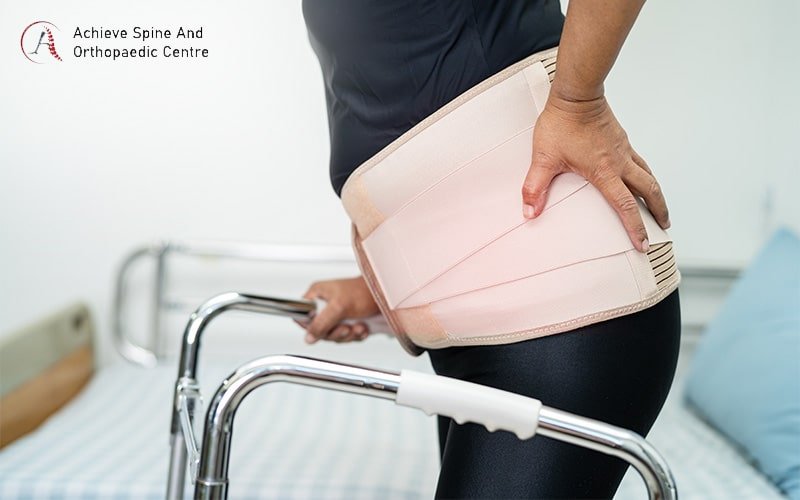
    Wearing a lumbar brace for vertebral fracture pain.

    Persistent or sudden back pain should not be overlooked. If the discomfort lasts for several days, limits your ability to move, or gradually worsens, it may be time to seek medical advice from a back pain and spine specialist.

    How Are Spinal Fractures Diagnosed?

    For individuals with known osteoporosis, the doctor will typically use imaging tests, like X-rays and MRI scans, to confirm whether a vertebral fracture has occurred. A bone mineral density test may also be performed to determine the presence and severity of osteoporosis.

    What Are the Treatment Options?

    Following this, your lumbar or thoracic spine fracture treatment will depend on the severity of the injury and the symptoms experienced. Your specialist may first recommend non-surgical care, such as medication to strengthen bones and manage osteoporosis, pain relief measures, and temporary bracing to stabilise the spine. Physiotherapy can also help restore movement and support muscle strength.

    In cases of persistent pain or spinal instability, minimally invasive surgical procedures, such as vertebroplasty and kyphoplasty, may be considered:

    • Vertebroplasty: Medical-grade bone cement is injected directly into the fractured vertebra to reinforce it.
    • Kyphoplasty: A small balloon is first inflated to create space and restore some height before filling it with cement.

    These approaches are performed through small incisions and may allow for quicker recovery compared to traditional open surgery.

    In more complex cases, where multiple vertebrae are affected or instability is severe, spinal fusion may be recommended. While less common for osteoporosis, this option may be necessary when minimally invasive methods are insufficient.

    Don’t Overlook the Dangers of Back Pain

    Back pain in people with osteoporosis should not be taken lightly, as persistent discomfort may point to a vertebral fracture. Everyday movements can trigger these fractures, and overlooking the signs can lead to further complications.

    If you notice sudden or ongoing pain, don’t wait for it to get worse. Seek timely advice from a spine specialist to confirm the cause, guide appropriate treatment, and reduce the risk of further fragility fractures. At Achieve Spine and Orthopaedic Centre, we provide careful assessments and a range of treatment options, including minimally invasive approaches, to support recovery and help you return to daily life with confidence.

    Have questions or concerns? Contact us today.

    Dr.Hu Pang Hung

    Wu Pang Hung

    ABOUT AUTHOR

    Dr. Wu Pang Hung is an experienced orthopaedic and spine surgeon in Singapore, specialising in both uniportal and biportal endoscopic spine procedures for complex cervical, thoracic, and lumbar spinal conditions. With 18 years in the field, he is actively involved in numerous spine societies and contributes to several international journals and textbooks. Dr. Wu has also received specialised training in spine surgery across Canada, South Korea, Japan, and Germany.

    Contact Us

    WHATSAPP US @+65 9746 6178

    CALL US @+65 9746 6178

    MAKE AN APPOINTMENT

  • How to Manage Spondylolisthesis in Young Athletes

    How to Manage Spondylolisthesis in Young Athletes

    Key Takeaways

    • Spondylolisthesis in athletes often develops from repetitive stress on the spine during high-impact or hyperextension sports.
    • Early symptoms, such as lower back pain, stiffness, or tight hamstrings, should not be ignored.
    • Management begins with conservative care, including rest, physiotherapy, and activity modification. In severe cases, surgery may be considered to restore stability.
    • With appropriate treatment and gradual return-to-play strategies, young athletes can protect long-term spinal health.

    Introduction

    Athlete clutching her lower back in pain while jogging outdoors.

    For young athletes dedicated to gymnastics, football or competitive sports, intense training is a necessary part of their journey. However, this commitment can sometimes come with specific risks, such as youth back injuries that should not be ignored. Among these, spondylolisthesis in athletes is a condition that requires careful attention.

    This article examines what spondylolisthesis is, the impact it may have, and the treatment options available for safe management and recovery.

    What Is Spondylolisthesis?

    Spondylolisthesis occurs when one vertebra slips forward over the one beneath it, creating instability in the spine. In athletes, this often arises from repetitive movements that stress the lower back, such as those seen in gymnastics, football, or weightlifting.

    Symptoms of Spondylolisthesis:

    • Lower back pain in athletes, especially during activity.
    • Tight hamstrings or stiffness that limits flexibility.
    • Pain that improves with rest but returns during training or competition.

    In cases where the condition affects the surrounding nerves, individuals may also feel numbness and tingling in the affected area.

    How It Differs from Other Spinal Conditions:

    Due to their names, spondylolisthesis is often mistaken for two other spinal conditions:

    • Spondylosis: Refers to age-related changes in the spine, such as disc degeneration or bone spur formation. It is more commonly seen in adults and may affect different regions of the spine, including the neck in cases of cervical spondylosis.
    • Spondylolysis: A stress fracture in the bony arch of a vertebra, typically seen in adolescents who take part in repetitive or high-impact sports. In fact, almost 93% of cases are associated with sports practice. If the fracture weakens the bone enough, this condition can progress to vertebral slippage (spondylolisthesis).

    How It Affects Young Athletes

    The impact of spondylolisthesis in athletes extends beyond short-term back pain. When a vertebra slips forward, the spine becomes less stable, which can:

    • Reduce flexibility: Instability and muscle tightness, especially in the hamstrings and lower back, make it harder to move freely.
    • Slow recovery: Repetitive stress on the affected area means even minor strains take longer to heal.
    • Limit spinal mobility: The slipping vertebra can affect how much the spine bends or extends, affecting performance in sports that rely on the range of motion.

    If left untreated, ongoing instability may also compress nearby nerves, leading to radiating pain down the legs. Young athletes may also face psychological challenges such as frustration, loss of confidence, and the stress of being sidelined from training or competitions.

    What Are the Treatment Options Available?

    Conservative Care

    For most young athletes, initial management focuses on conservative treatment. This may include:

    • Rest and activity modification, particularly avoiding movements that extend the spine.
    • Physiotherapy for spondylolisthesis, which targets core strength and stability to reduce strain on the affected vertebrae.
    • Temporary use of bracing to support spinal alignment.

    Safe Return-to-Play Protocols

    A gradual return to training is important. Coaches and athletes should avoid hyperextension drills that increase spinal stress. Instead, flexibility and low-impact conditioning can support recovery while reducing the risk of reinjury.

    Surgical Options for Spondylolisthesis in Athletes

    If conservative care does not provide relief, surgery may be considered. The choice of procedure depends on the degree of slippage, symptoms, and the patient’s long-term athletic goals. Common options include:

    • Spinal decompression surgery: In cases where the slipped vertebra compresses nearby nerves, decompression techniques remove small portions of bone or tissue to relieve pressure. This can help reduce radiating pain, tingling, or weakness in the legs.
    • Spinal fusion surgery: When the instability is significant, spinal fusion may be recommended. This involves joining two or more vertebrae together to prevent further slippage, restoring stability to the spine.

    For athletes, however, minimally invasive approaches to these procedures are often preferred. By using smaller incisions and specialised instruments like endoscopes, these techniques generally cause less disruption to surrounding muscles and tissues. This leads to reduced scarring and shorter recovery times, allowing athletes to return to training and competition sooner. Endoscopic Fusion is a good option for a minimally invasive technique of fusion for quick recovery and optimising function. , it is one of the least invasive form of fusion surgery

    Helping Young Athletes Stay Active, Safely

    Young female tennis athlete preparing to serve a ball.

    When it comes to spondylolisthesis in athletes, proactive care makes all the difference. Understanding the signs and seeking guidance at the right time can reduce risks and support a safe, sustainable return to their sport.

    At Achieve Spine and Orthopaedic Centre, we provide diagnostic assessments and a wide range of treatment options, with a focus on minimally invasive and endoscopic spine surgery. We serve patients from 13 years old and above, and most surgeries are typically completed within the day. For enquiries or to arrange a consultation, please contact our team.

    Dr.Hu Pang Hung

    Wu Pang Hung

    ABOUT AUTHOR

    Dr. Wu Pang Hung is an experienced orthopaedic and spine surgeon in Singapore, specialising in both uniportal and biportal endoscopic spine procedures for complex cervical, thoracic, and lumbar spinal conditions. With 18 years in the field, he is actively involved in numerous spine societies and contributes to several international journals and textbooks. Dr. Wu has also received specialised training in spine surgery across Canada, South Korea, Japan, and Germany.

    Contact Us

    WHATSAPP US @+65 9746 6178

    CALL US @+65 9746 6178

    MAKE AN APPOINTMENT
  • Sleeping Tips for Herniated Disc Recovery: Do’s and Don’ts

    Sleeping Tips for Herniated Disc Recovery: Do’s and Don’ts

    Key Takeaways

    • Prioritise spinal alignment to reduce pain and aid recovery when sleeping with a herniated disc.
    • Avoid sleeping on your stomach, invest in the right bedding, and incorporate pain-relief strategies into your bedtime routine.
    • For persistent cases, minimally invasive procedures may be considered for herniated disc treatment in Singapore.

    The Dos and Don’ts of Sleeping with a Herniated Disc

    Elderly man waking up with herniated disc pain.

    Sleeping with a herniated disc can be challenging, especially when pain seems to intensify at night. The position you rest in, along with your sleep environment, plays a direct role in how well your spine recovers. By making a few mindful adjustments, you can ease the strain on your back and improve the quality of your rest.

    Do: Maintain Spinal Alignment

    The best sleeping position for someone with a herniated disc is one that keeps the spine in a neutral, well-aligned posture. Lying on your back with a small pillow under your knees helps reduce pressure on the lower back and supports the natural curve of the spine. If you prefer to sleep on your side, place a firm pillow between your knees to prevent your hips from rotating. These adjustments promote proper spinal alignment during your sleep and can ease pressure on the affected disc.

    Don’t: Sleep on Your Stomach

    On the other hand, sleeping on your stomach is generally not recommended, particularly when dealing with a herniated disc. This position forces your neck to twist to one side for breathing, placing considerable strain on your cervical spine. At the same time, it can cause your lower back to arch excessively, increasing pressure on the lumbar discs. This can hinder the recovery process and cause more pain.

    Do: Choose Supportive Bedding

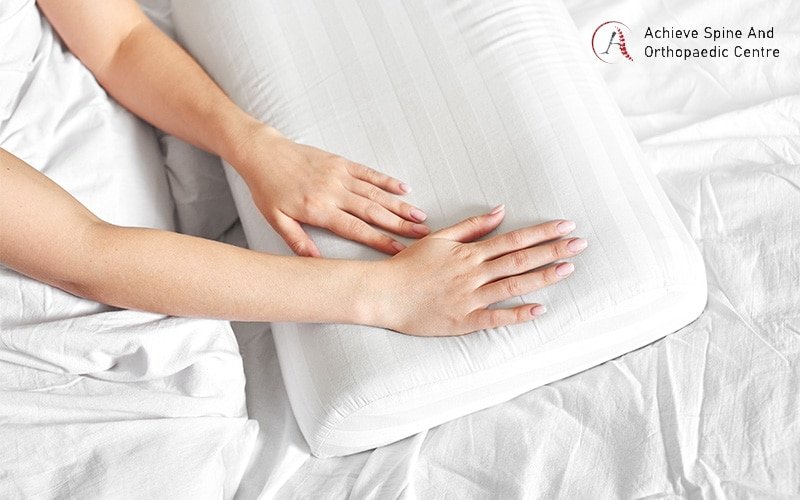
    Supportive pillow for herniated disc recovery.

    The quality of your bedding is crucial when sleeping with a herniated disc. A medium-firm mattress is often recommended, as it provides adequate support to maintain the natural curves of your spine without being too rigid or too soft. Similarly, selecting a pillow that supports the natural curve of your neck is essential. The right pillow should fill the gap between your head and shoulders, preventing your neck from bending at an awkward angle. Choosing the right mattress and pillow can help reduce unnecessary strain on your spine, making it easier to rest comfortably and wake with less stiffness.

    Don’t: Ignore Pre-Bedtime Pain Relief

    Simple bedtime routines can help ease discomfort and prepare your body for sleep. Gentle stretches, a warm shower, or prescribed pain management can help relax tight muscles and ease stiffness. These simple habits make it easier to find a comfortable position, allowing you to sleep without aggravating symptoms.

    Do: Seek Medical Advice if Pain Persists

    If sleeping with a herniated disc remains difficult despite making lifestyle adjustments, it may be time to seek medical advice. Ongoing nighttime pain or disrupted rest could signal that additional treatment is necessary. In Singapore, treatment options include conservative approaches, such as physiotherapy, with surgical procedures considered if symptoms fail to improve.

    Why Minimally Invasive Surgery Can Help With Herniated Disc Recovery

    If disc herniation continues to affect daily life and sleep, minimally invasive procedures such as endoscopic discectomy may be recommended. This procedure involves inserting a small tubular device and a specialised camera through a tiny incision, allowing the surgeon to view and remove the portion of the disc pressing on the nerves. This directly addresses the source of nerve compression while minimising damage to surrounding tissue, supporting a shorter recovery period and an earlier return to normal activities.

    How Achieve Spine and Orthopaedic Centre Can Help

    If you are suffering from a herniated disc, don’t let the pain compromise your quality of life. At Achieve Spine and Orthopaedic Centre, we specialise in minimally invasive procedures for various spine conditions, including herniated discs, nerve compression, spinal deformations, and more. Reach out to us today to schedule a comprehensive assessment.

    Dr.Hu Pang Hung

    Wu Pang Hung

    ABOUT AUTHOR

    Dr. Wu Pang Hung is an experienced orthopaedic and spine surgeon in Singapore, specialising in both uniportal and biportal endoscopic spine procedures for complex cervical, thoracic, and lumbar spinal conditions. With 18 years in the field, he is actively involved in numerous spine societies and contributes to several international journals and textbooks. Dr. Wu has also received specialised training in spine surgery across Canada, South Korea, Japan, and Germany.

    Contact Us

    WHATSAPP US @+65 9746 6178

    CALL US @+65 9746 6178

    MAKE AN APPOINTMENT

  • Is Cycling Good or Bad for Cervical Spondylosis?

    Is Cycling Good or Bad for Cervical Spondylosis?

    Key Takeaways

    • A common question is whether cycling is good for cervical spondylosis, as the activity offers fitness benefits but may also place strain on the neck.
    • Long rides or poor positioning may increase strain on the neck and aggravate symptoms.
    • Adjustments such as upright riding positions, shorter sessions, and regular breaks may help make cycling more comfortable.
    • When conservative measures are not sufficient, minimally invasive procedures may be considered under medical guidance.

    Is Cycling Good for Cervical Spondylosis? What You Need to Know

    Two women cycling for exercise

    Many people view cycling as a convenient way to exercise without stressing the joints. But a common concern arises: is cycling good for cervical spondylosis, or does it risk worsening discomfort? The reality depends on factors such as posture, ride duration, and even bike design. Below, we break down what you need to consider before getting on the saddle.

    Potential Benefits of Cycling

    People with cervical spondylosis should avoid prolonged inactivity. Cycling offers several advantages that can support your overall health when done appropriately:

    • Enhanced blood circulation: Regular cycling can help support blood flow, especially in the legs.
    • Low-impact activity: As a low-impact exercise, cycling can be beneficial for those with neck pain. It reduces strain on weight-bearing joints such as the hips, knees, and ankles, especially when compared to running.
    • Encourages mobility: Gentle exercise can help reduce stiffness and maintain movement in the spine.

    For many, these benefits are reasons to consider cycling as part of an active routine, with proper attention to technique and posture.

    What Are the Risks That Cycling Poses to the Cervical Spine?

    Cyclist holding neck due to pain

    However, patients may have heard concerns about whether cycling really is good for cervical spondylosis. The answer to this depends on certain key factors, such as:

    • Riding posture: Many road bikes encourage a bent-over riding position. Holding the head upright in this posture can strain the neck muscles and put additional stress on the cervical joints. Over time, this may contribute to muscle fatigue or increased stiffness.
    • Bike setup: A seat or handlebar that is too low or poorly adjusted may alter alignment and place extra pressure on the cervical spine. Even small changes in positioning can affect how weight is distributed through the back and neck.
    • Prolonged riding sessions: Long rides without adequate breaks may restrict mobility, leading to tightness or discomfort. Repetitive strain on the neck can also make symptoms more noticeable after cycling.

    But with the necessary steps, cycling can still be enjoyable for those with cervical spondylosis. Adjusting posture, choosing an upright bike, and taking regular breaks may allow many people to benefit from the exercise without placing too much stress on the neck.

    How is Cervical Spondylosis Managed?

    Additional measures may be helpful in reducing day-to-day symptoms. Depending on the severity of your condition, healthcare professionals may recommend a conservative approach to cervical spondylosis treatment. This may include:

    • Lifestyle changes: Stretching, ergonomic adjustments at work, and adequate rest can reduce daily strain on the neck.
    • Physiotherapy: Specific exercises may help maintain flexibility, improve posture, and strengthen the muscles that support the cervical spine.
    • Medication for symptom relief: Non-prescription or prescribed medication may sometimes be used to manage pain or stiffness.

    If these strategies and cycling adjustments do not sufficiently ease symptoms, it may be time to consider further treatment. Cervical decompression is one option, where the surgeon creates space around the spinal cord or nerve roots. This can help address any nerve compression that may be causing pain, numbness, or weakness.

    For some, the prospect of a long hospital stay or extended recovery can be a concern. In such cases, minimally invasive procedures such as cervical endoscopic decompression may be considered as an alternative. This approach uses smaller incisions and specialised instruments to relieve pressure on the nerves with less tissue disruption. By addressing nerve compression while preserving spinal mobility, it may support a more comfortable return to everyday routines, including activities like cycling.

    Making Informed Choices About Cycling and Cervical Spine Health

    So, is cycling good for cervical spondylosis? The answer is that it can be, provided posture, bike setup, and ride duration are carefully managed. Cycling brings general fitness benefits, but attention to neck comfort is important to avoid aggravating symptoms.

    For those who continue to experience significant discomfort despite adjustments, it may be time to consult a spine specialist. At Achieve Spine and Orthopaedic Centre, we offer minimally invasive spinal procedures, such as endoscopic spine surgery, for suitable cases. If you would like to explore your options for managing your spinal condition, arrange a consultation today.

    Dr.Hu Pang Hung

    Wu Pang Hung

    ABOUT AUTHOR

    Dr. Wu Pang Hung is an experienced orthopaedic and spine surgeon in Singapore, specialising in both uniportal and biportal endoscopic spine procedures for complex cervical, thoracic, and lumbar spinal conditions. With 18 years in the field, he is actively involved in numerous spine societies and contributes to several international journals and textbooks. Dr. Wu has also received specialised training in spine surgery across Canada, South Korea, Japan, and Germany.

    Contact Us

    WHATSAPP US @+65 9746 6178

    CALL US @+65 9746 6178

    MAKE AN APPOINTMENT
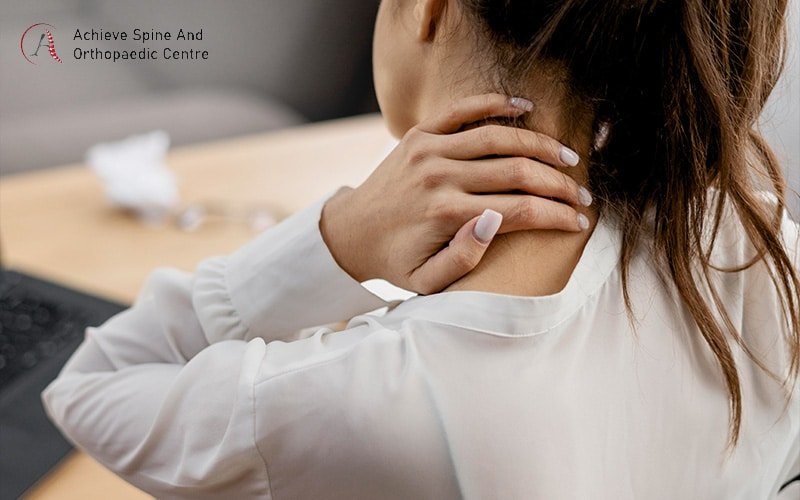
  • What Is Tech Neck, and How Can You Prevent It?

    What Is Tech Neck, and How Can You Prevent It?

    Key Takeaways

    • Tech neck develops from prolonged forward head posture when using phones, laptops, or tablets.
    • Poor ergonomics and slouching habits contribute to strain on the cervical spine.
    • You can lower your risk of tech neck by paying attention to posture, adjusting your workstation ergonomically, and making time for frequent movement.
    • Persistent symptoms such as neck pain or tingling may require professional evaluation.

    Introduction

    Woman massaging her sore neck from tech neck.

    Ever felt a dull ache in your neck after scrolling on your phone or working at your laptop for hours? This condition, also known as “tech neck”, may start as minor stiffness but can gradually strain the cervical spine and cause long-term issues if left unchecked. Given how much time we now spend on phones and laptops, it is vital to be aware of the risks posed by this condition.

    What Is Tech Neck?

    Tech neck (or “text neck”) happens when you spend long periods tilting your head forward to look at digital devices such as phones, laptops, or tablets. Over time, this posture shifts the head out of its natural alignment with the spine, otherwise known as forward head posture. Even a small tilt can significantly increase the load on the cervical spine, making the neck work harder than it should. This constant stress can tire out the muscles and put pressure on the discs between the vertebrae. Left unaddressed, it may even lead to problems such as persistent neck pain, a herniated disc, or nerve-related discomfort like radicular pain

    With neck pain already ranked as the fourth leading cause of disability worldwide, these posture-related conditions are becoming an increasing concern in today’s screen-heavy routines.

    How Can You Prevent Posture-Related Neck Pain?

    1. Prioritise Ergonomics

    An ergonomic setup is key to reducing unnecessary strain on your neck and spine. Keep screens at eye level to avoid constantly looking down. If you use a laptop, consider using a stand or an external keyboard to improve alignment. A chair with lumbar support and a desk at the right height can also ease strain on the spine.

    2. Maintain Proper Posture

    Good posture is one of the most effective ways to reduce screen-related neck strain. Relax your shoulders, avoid slouching, and keep your ears in line with your shoulders. Making small adjustments throughout the day, like sitting upright when you notice yourself leaning forward, can make a big difference. Taking short breaks every 30–45 minutes also helps release built-up tension.

    3. Stretch and Exercise Regularly

    Gentle movement supports long-term spine health. Try simple stretches such as chin tucks, neck rotations, and shoulder rolls to encourage mobility. Strengthening the upper back and core further supports proper alignment. Building these routines into your day helps reduce the risk of recurring neck pain.

    When Should You Seek Professional Help?

    Digital illustration of human nervous system, affected by tech neck.

    For many people, posture adjustments, stretching, and exercise are enough to manage occasional stiffness or mild discomfort. But if symptoms do not improve, it may signal a more significant underlying issue. Signs that you should seek professional evaluation include:

    • Persistent neck pain that does not ease with rest or self-care
    • Limited ability to turn or move the neck
    • Neurological symptoms such as tingling, numbness, or weakness in the shoulders, arms, or hands

    These warning signs may point to conditions such as cervical radiculopathy, which occurs when nerves in the neck become compressed. In some cases, prolonged forward head posture can place additional stress on the cervical spine and worsen nerve irritation.

    Remedies for Tech Neck and Related Conditions

    To manage the initial symptoms, doctors may recommend conservative treatments such as physiotherapy, activity modification, and guided rehabilitation exercises. These approaches aim to restore mobility and reduce strain on the cervical spine.

    If symptoms persist despite these measures, surgical options for cervical radiculopathy treatment may be considered. For select patients, minimally invasive techniques may be recommended to relieve pressure on the nerves while limiting disruption to surrounding tissues. These procedures, such as posterior cervical spine endoscopic decompression, use specialised instruments and smaller incisions to target the affected area directly. Compared with traditional open surgery, they are designed to reduce scarring, lower the risk of muscle damage, and support a quicker return to daily activities.

    Protecting Your Spinal Health in the Digital Age

    Tech neck is a modern posture problem tied to our reliance on digital devices. While it often starts as a mild ache, ignoring it can lead to long-term strain on the cervical spine. 

    If neck discomfort continues to affect your daily routine, it may be time to seek help from a spine specialist. At Achieve Spine and Orthopaedic Centre, our team provides care tailored to individual needs, with an emphasis on minimally invasive spinal procedures. Contact us today to arrange a consultation and learn more about the options available for managing your spinal concerns.

    Dr.Hu Pang Hung

    Wu Pang Hung

    ABOUT AUTHOR

    Dr. Wu Pang Hung is an experienced orthopaedic and spine surgeon in Singapore, specialising in both uniportal and biportal endoscopic spine procedures for complex cervical, thoracic, and lumbar spinal conditions. With 18 years in the field, he is actively involved in numerous spine societies and contributes to several international journals and textbooks. Dr. Wu has also received specialised training in spine surgery across Canada, South Korea, Japan, and Germany.

    Contact Us

    WHATSAPP US @+65 9746 6178

    CALL US @+65 9746 6178

    MAKE AN APPOINTMENT
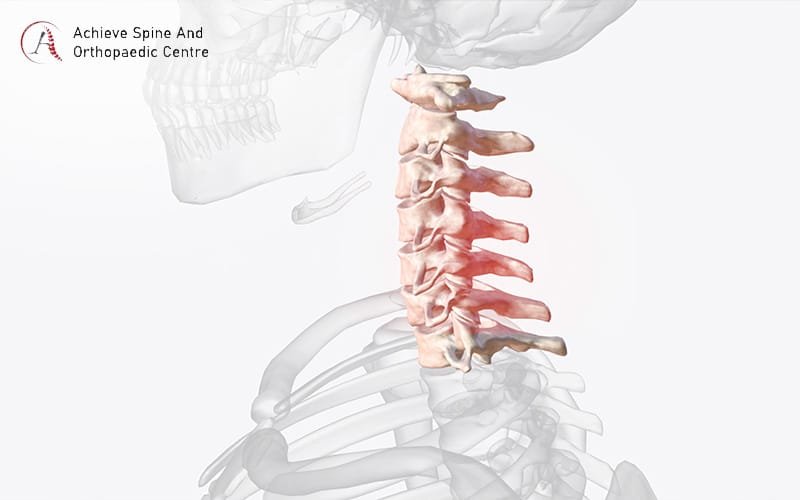
  • Do You Have a Bulging Disc or a Herniated Disc? Key Differences

    Do You Have a Bulging Disc or a Herniated Disc? Key Differences

    Key Takeaways

    • The key differences between a bulging vs a herniated disc lie in how they develop and the severity of symptoms they cause.
    • A bulging disc occurs when the disc protrudes outward, but the outer layer remains intact.
    • A herniated disc happens when the inner material breaks through the disc’s outer layer and often presses on nerves.
    • Symptoms also vary; bulging discs may be mild or unnoticed, while herniated discs are more likely to cause sharp, radiating pain.
    • Seek medical advice if you experience persistent pain, numbness, or mobility issues.

    Introduction

    Do you know whether your back pain comes from a bulging disc or a herniated disc? Although they sound similar, they are distinct conditions with different effects on the spine. Learning the differences between a bulging vs herniated disc can help you identify symptoms early, manage discomfort, and seek the right form of treatment when necessary.

    How Do Bulging and Herniated Discs Develop?

    Illustration of a herniated or bulging spinal disc.

    A bulging disc occurs when the spinal disc extends outward, but the outer wall remains intact. Instead of a rupture, the disc flattens and spreads across a wider area of the spine.

    A herniated disc, in contrast, develops when the soft inner material (nucleus pulposus) breaks through a crack in the outer layer. This can place direct pressure on nearby nerves, making herniations more likely to cause significant discomfort or neurological symptoms.

    Causes of a Bulging vs Herniated Disc

    The causes of these two conditions differ, though both can be linked to disc degeneration over time.

    • Bulging disc: Usually develops gradually due to everyday wear and tear, poor posture, repetitive movements, or prolonged sitting. Lifestyle factors that place continuous pressure on the spine often play a role.
    • Herniated disc: The causes of a herniated disc often include sudden strain or injury, such as lifting a heavy object incorrectly or experiencing a fall. Age-related weakening of the discs can also make them more prone to rupture.

    Understanding how each condition develops can help you recognise whether simple lifestyle changes are enough or if medical attention may be required.

    What are the Signs to Watch For?

    Woman experiencing lower back pain in bed.

    The symptoms of a bulging vs a herniated disc can overlap but tend to differ in intensity.

    • Bulging disc symptoms: Often mild or even unnoticed unless the bulge compresses spinal nerves. Possible signs of a bulging disc include dull back pain, stiffness, or occasional tingling in the arms or legs.
    • Herniated disc symptoms: Usually sharper and more pronounced, with pain radiating into the arms or legs. Numbness, tingling, or muscle weakness are also common, and pain may worsen with movement.

    A Bulging vs a Herniated Disc: Which is More Severe?

    A bulging disc is generally considered less severe because it does not always place pressure on nearby nerves. In many cases, symptoms can be managed with conservative measures such as physiotherapy, posture correction, or medication. Surgery is less commonly needed but may be discussed if nerve compression develops and symptoms persist.

    A herniated disc is often a greater cause for alarm, as the inner material that breaks through the outer layer is more likely to come into contact with nerves. This can lead to pain, tingling, or weakness that may interfere with daily activities. Herniated disc treatment also begins with non-surgical care, though surgery may be considered if conservative methods are not effective.

    For both conditions, minimally invasive procedures like endoscopic discectomy may be recommended in select cases. These approaches use smaller incisions and specialised instruments to relieve pressure on nerves, minimising tissue disruption compared to traditional open surgery. This, in turn, leads to shorter downtimes, allowing patients to quickly return to their regular routines. 

    Knowing When to Seek Help For Back Pain

    Back pain does not always mean you have a bulging or herniated disc, but it helps to know the warning signs. Persistent pain, numbness, tingling, or weakness in the arms or legs may indicate that nerves are involved. If these symptoms start to affect your daily activities, seeking a professional assessment can provide clarity on the cause and guide your next steps.

    At Achieve Spine and Orthopaedic Centre, we manage a wide range of spine conditions in Singapore. Our treatment options include conservative and surgical care, including minimally invasive spine surgery for specific cases. These procedures are typically completed within one to one-and-a-half hours, reducing downtime and disruption to daily routines.

    For more information about our services or to discuss your condition, reach out to us today.

    Dr.Hu Pang Hung

    Wu Pang Hung

    ABOUT AUTHOR

    Dr. Wu Pang Hung is an experienced orthopaedic and spine surgeon in Singapore, specialising in both uniportal and biportal endoscopic spine procedures for complex cervical, thoracic, and lumbar spinal conditions. With 18 years in the field, he is actively involved in numerous spine societies and contributes to several international journals and textbooks. Dr. Wu has also received specialised training in spine surgery across Canada, South Korea, Japan, and Germany.

    Contact Us

    WHATSAPP US @+65 9746 6178

    CALL US @+65 9746 6178

    MAKE AN APPOINTMENT