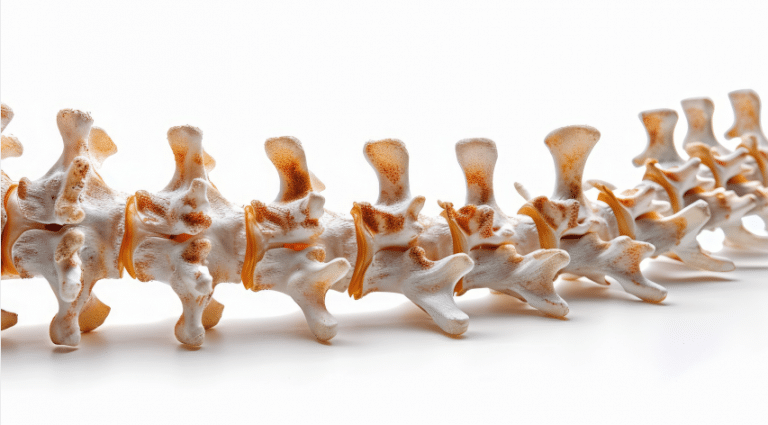
Spinal deformities refer to abnormal curvatures or misalignments of the spine, which may develop from birth, through growth, or later in life due to degenerative changes. In some cases, the condition may be linked to spinal cord deformation, where the shape or position of the spinal cord is affected. Symptoms may vary from mild discomfort to mobility limitations, depending on the severity and type of the deformity.
What Are Spinal Deformities?
Spinal deformities occur when the spine curves or rotates in a way that falls outside the normal range. These changes can develop over time or be present from birth. In some instances, the deformity is structural, meaning the spine’s bones have physically altered shape or position. In others, it may be functional, developing in response to pain or postural imbalance.
Common signs include uneven shoulders, a visible curve in the back, or one hip appearing higher than the other. In more severe cases, spinal cord deformation may occur, where spinal curvature compresses or stretches the spinal cord, potentially affecting nerve function.
While some spinal deformities are mild and do not require intervention, others can progress and lead to discomfort, limited mobility, or neurological symptoms. Identifying the condition early allows for proper monitoring and treatment, especially in growing children or ageing adults. Treatment options are tailored to the individual and may include physiotherapy, bracing, or surgical correction in complex cases.
Symptoms of Spinal Deformities
The symptoms of spinal deformities vary based on the type, location, and severity of the curve. Some individuals experience no discomfort, while others may face noticeable changes in posture, movement limitations, or nerve-related issues.
Pain is a common symptom, particularly in the back, shoulders, or hips. This may worsen with activity or prolonged sitting or standing. Fatigue, especially after walking or physical exertion, is also frequently reported,.
Other visible signs may include uneven shoulders or hips, a noticeable hump on the back, or leaning to one side. In progressive cases, nerve compression from the deformity may cause numbness, tingling, or weakness in the arms or legs.
Severe spinal cord deformation can affect balance and coordination and, in rare cases, may impact bowel or bladder function. If symptoms interfere with daily life, prompt assessment by a spine specialist is recommended for further evaluation.
Types of Spinal Deformities
There are several types of spinal deformities, each with its own pattern, cause, and impact on daily life. These deformities can develop during growth, as a result of ageing, or from underlying structural or neurological conditions. Some are present from birth, while others appear progressively with time or physical strain. Understanding the specific type of spinal curvature helps guide the appropriate treatment plan.
Scoliosis
Scoliosis is one of the most common types of spinal deformities, where the spine curves sideways, often forming an “S” or “C” shape. It may appear during childhood or adolescence (idiopathic scoliosis) or develop later in life due to degenerative disc changes (degenerative scoliosis). Visible signs include uneven shoulders, an asymmetrical waist, or ribs that appear more prominent on one side. Severe cases may result in spinal cord deformation, leading to nerve irritation, pain, or balance issues.
Kyphosis
Kyphosis refers to an exaggerated outward curve of the upper back, giving the appearance of a rounded or hunched posture. This deformity can result from poor posture (postural kyphosis), vertebral compression fractures (common in older adults with osteoporosis), or structural abnormalities during growth (Scheuermann’s kyphosis). Symptoms range from mild discomfort to difficulty standing upright for long periods. In some cases, spinal curvature may affect lung capacity or contribute to back stiffness.
Lordosis (Hyperlordosis)
Lordosis occurs when the lower back curves inwards more than normal. This deformity, also known as swayback, is often seen in people with weak abdominal muscles, excessive weight in the abdomen, or conditions affecting spinal alignment. While some inward curvature is normal in the lumbar spine, excessive lordosis can lead to lower back pain, muscle fatigue, and strain on nearby joints.
Flatback Syndrome
Flatback syndrome is a condition where the natural curve of the lumbar spine is reduced or lost, causing the spine to appear straight. This can result in difficulty standing upright, chronic fatigue, and in more complex cases, spinal cord deformation. Flatback may develop after spinal surgery or due to degenerative disc disease. The lack of normal curvature disrupts balance and posture, often requiring long-term physiotherapy or surgical correction.
Congenital Spinal Deformities
These deformities are present from birth and are caused by abnormal spinal development in the womb. Congenital spinal deformity may include missing, fused, or abnormally shaped vertebrae. As the child grows, uneven spine growth can worsen the curvature. Early diagnosis is crucial, as some cases may lead to spinal cord deformation or compromise organ development, such as lung function.
Each of these types of spinal deformities requires individual assessment. Treatment depends on the nature and progression of the curve, as well as how it impacts mobility and quality of life. Some patients respond well to non-surgical options, while others may require surgical intervention, particularly in severe or progressive cases.
Causes of Spinal Deformities
The causes of spinal deformities vary depending on the type and stage of onset. Some individuals are born with abnormalities in spine formation, while others develop curvature over time due to lifestyle, ageing, or medical conditions. Understanding the underlying cause can help determine the most suitable treatment.
Congenital Spinal Deformity
A congenital spinal deformity is present at birth and arises from irregular development of the vertebrae in the womb. These abnormalities may include fused, misshapen, or missing bones, which can lead to progressive curvature as the child grows. Some cases may remain stable, while others worsen over time, particularly during growth spurts.
Neuromuscular Conditions
Conditions such as cerebral palsy or muscular dystrophy affect the nerves and muscles supporting the spine, leading to imbalances that cause spinal curvature. These cases often progress quickly and may require ongoing monitoring.
Degenerative Changes
Age-related conditions like disc degeneration, arthritis, and osteoporosis can alter spinal alignment, leading to deformities such as scoliosis or kyphosis. These changes typically appear later in life and may be accompanied by spinal cord deformation or nerve irritation.
Postural and Structural Factors
Poor posture, trauma, spinal infections, or previous surgeries can also contribute to abnormal curvature. In some cases, spine alignment is altered to compensate for pain or imbalance elsewhere in the body.

Diagnosing Spinal Deformities
Diagnosing spinal deformities involves a thorough clinical evaluation supported by imaging studies to assess the shape, severity, and progression of spinal curvature. Identifying the underlying cause also helps determine whether the condition is structural, congenital, or related to spinal cord deformation.
Physical Examination
A spine specialist will begin by evaluating the patient’s posture, gait, and flexibility. The individual may be asked to bend forward or stand in various positions to detect abnormalities such as uneven shoulders, a protruding rib cage, or a tilted pelvis. These signs can indicate scoliosis, kyphosis, or other forms of spinal misalignment.
X-rays
X-rays are the most common imaging test for assessing spine curvature. They help measure the angle of deviation (Cobb angle), evaluate vertebral shape, and identify fused or rotated bones.
MRI or CT Scans
Advanced imaging techniques like MRI or CT are used when detailed information about the spinal cord, discs, or surrounding tissues is needed. These scans are essential in detecting spinal cord deformation, nerve compression, or other internal abnormalities.
Neurological Evaluation
Reflex tests, muscle strength checks, and sensory assessments are performed if nerve symptoms are present. These findings help confirm whether spinal changes are affecting neurological function.
Regular follow-up is recommended to monitor progression.
Treatment for Spinal Deformities
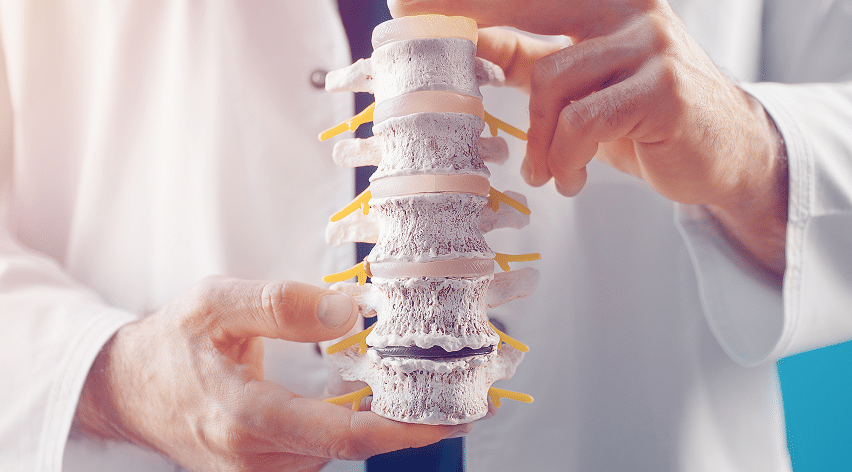
Treatment for spinal deformities varies depending on the cause, severity, and how the condition affects mobility and daily life. At Achieve Spine & Orthopaedic Centre, care begins with conservative measures and progresses to surgical options when necessary.
Non-Surgical Treatments
1. Observation and Monitoring
In mild or stable cases, regular check-ups and imaging may be sufficient. Monitoring helps detect progression early, especially in growing children or adults with age-related changes.
2. Physical Therapy
Physical therapy can strengthen muscles supporting the spine, improve posture, and reduce discomfort. Targeted exercises may also enhance flexibility and balance, especially in cases without spinal cord deformation.
3. Bracing
For children and adolescents, spinal braces may be used to slow the progression of certain curves. Bracing is often prescribed during growth phases and must be fitted and adjusted properly.
4. Medication Management
Pain relief may be achieved through non-steroidal anti-inflammatory drugs (NSAIDs) or nerve-related medications in cases involving discomfort or mild nerve symptoms.
Surgical Treatments
1. Minimally Invasive Endoscopic Spine Surgery
For those with significant spinal curvature or spinal cord deformation, minimally invasive endoscopic spine surgery may be considered. This technique allows access to the affected area through small incisions, reducing tissue disruption. It is often used for decompression or spinal stabilisation in selected cases.
2. Spinal Fusion
This procedure may be performed to correct curvature and stabilise the spine. It involves joining two or more vertebrae using rods, screws, and bone grafts.
3. Osteotomy or Deformity Correction Surgery
In complex cases, bone may be cut and repositioned to improve spinal alignment. This is often recommended for severe curves that impact posture, balance, or organ function.
Each patient is assessed individually, and treatment is tailored to their condition, goals, and overall health.
Summary: Spinal Deformities at a Glance
Spinal deformities encompass a range of conditions that affect the natural shape and alignment of the spine. They may result from growth-related issues, ageing, injury, or a congenital spinal deformity. While some cases cause mild symptoms, others can lead to spinal cord deformation, nerve compression, and mobility limitations.
At Achieve Spine & Orthopaedic Centre, we provide both non-surgical and surgical care, including minimally invasive endoscopic spine surgery, for suitable candidates. Early diagnosis, regular monitoring, and a personalised treatment plan are key to managing spinal health and maintaining daily function.

Wu Pang Hung
ABOUT AUTHOR
Dr. Wu Pang Hung is an experienced orthopaedic and spine surgeon in Singapore, specialising in both uniportal and biportal endoscopic spine procedures for complex cervical, thoracic, and lumbar spinal conditions. With over 10 years in the field, he is actively involved in numerous spine societies and contributes to several international journals and textbooks. Dr. Wu has also received specialised training in spine surgery across Canada, South Korea, Japan, and Germany.
Contact Us
WHATSAPP US @+65 9746 6178
CALL US @+65 9746 6178
MAKE AN APPOINTMENT
Frequently Asked Questions (FAQs)
Can spinal deformities get worse over time?
Yes. Certain types of spinal deformities, such as scoliosis or kyphosis, may progress gradually, particularly during growth spurts or with ageing. Regular monitoring helps track changes and adjust treatment as needed.
What are the signs of spinal cord deformation?
Spinal cord deformation may cause symptoms such as numbness, tingling, weakness in the limbs, balance issues, or bladder and bowel difficulties. These symptoms suggest nerve involvement and should be evaluated by a spine specialist.
Can congenital spinal deformity be treated in childhood?
Yes. Early detection of a congenital spinal deformity can allow for timely intervention. Depending on the severity, options may include bracing, physiotherapy, or surgery to support spine alignment as the child grows.
Are there non-surgical options for spinal deformities?
Yes. Many spinal deformities can be managed with physical thrapy, bracing, and lifestyle changes. These approaches aim to reduce discomfort, improve function, and slow curve progression. Surgery is typically reserved for more severe or symptomatic cases.
Can spinal deformities lead to spinal cancer?
Spinal deformities themselves do not cause cancer. However, in rare instances, spinal tumours can lead to spinal curvature due to structural instability or pressure on surrounding tissues. Imaging tests are used to identify such causes if suspected.