

Key Takeaways
- Radiating pain in the left arm can come from either heart or spine-related conditions, making it important to distinguish between the two.
- Cardiac-related pain often feels heavy or squeezing and is usually accompanied by symptoms like chest tightness or shortness of breath.
- Spine-related pain is commonly linked to cervical radiculopathy, nerve compression, or posture-related strain.
- Seek immediate medical care for cardiac red flags, and consult a spine specialist in Singapore if symptoms persist or involve numbness or weakness.
Introduction

Experiencing a radiating pain in your left arm? The causes can be hard to pin down, especially when many immediately associate this symptom with heart problems. But in some cases, this pain can stem from the spine. By learning how to tell heart-related warning signs apart from spinal issues, you can respond quickly and seek the right medical attention when needed.
Common Causes of Left Arm Pain
Pain in your left arm can be a symptom of various underlying conditions
- Muscle strain: Overuse, poor posture, or repetitive movements can trigger muscle tension that radiates into the arm.
- Nerve compression: When a cervical disc or bone spur narrows the spinal canal, pain may travel along the nerves into the arm.
- Cardiac problems: Reduced blood flow to the heart, such as during angina or a heart attack, may present as referred pain in the arm.
Since the same symptom can signal different conditions, careful evaluation is needed to identify the root cause.
Cardiac Red Flags You Shouldn’t Ignore
Certain signs suggest the pain may be heart-related and require urgent attention:
- Pain that feels heavy, squeezing, or pressure-like
- Sudden onset of pain during physical activity or even while at rest
- Shortness of breath
- Nausea and dizziness
- Cold sweats
These could indicate angina or a heart attack. If you experience radiating pain in the left arm alongside these warning signs, seek emergency medical care immediately.
Spine- and Nerve-Related Causes of Arm Pain
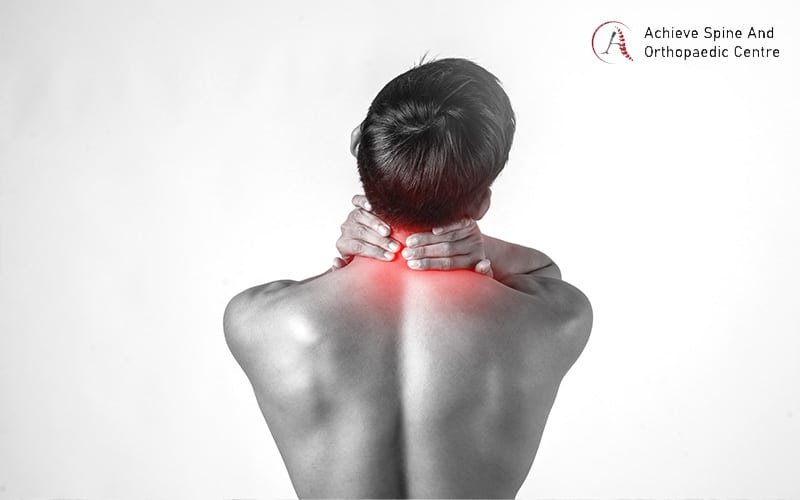
If tests or symptoms suggest the pain is not heart-related, the spine may be the next area to examine. Possible causes include:
- Herniated or bulging discs: Also called a slipped disc, this occurs when the soft inner portion of a spinal disc pushes out through its outer layer. Slipped disc pain can occur when the disc presses on nearby nerves.
- Bone spurs (cervical osteophytes): These are bony growths that can form as the spine ages. When they develop in the cervical spine, they may narrow the space where nerves exit, resulting in irritation and radiating pain.
- Cervical radiculopathy: Nerve compression in the neck can lead to tingling, numbness, weakness, or radiating pain.
Unlike cardiac pain, these symptoms often worsen with certain neck movements and may ease with posture adjustments or rest.
When Should You See a Doctor for Arm Pain
Understanding when to seek medical advice for radiating pain in your left arm is crucial.
- Immediate medical attention is necessary if the pain is sudden, severe, or accompanied by any of the cardiac symptoms mentioned above.
- For persistent or recurring pain, especially if it includes tingling, numbness, or weakness, it’s best to seek help from a spine specialist.
What Are the Treatment Options for Spine-Related Arm Pain?
Cervical radiculopathy treatment depends on the underlying cause and severity of symptoms. Many people begin with conservative measures such as rest, medication, physiotherapy, or activity modification. When these are not effective, surgical care may be considered.
Minimally invasive spine surgery is one possible option. Procedures like endoscopic discectomy or decompression are performed with small incisions and specialised tools, relieving pressure on the nerves while limiting disruption to surrounding tissues. This approach allows patients to resume daily activities sooner compared to traditional open surgery.
Recognising When Arm Pain Needs Attention
Radiating pain in the left arm is a symptom that should never be ignored. While heart-related causes demand immediate attention, spinal issues such as cervical radiculopathy or herniated discs also require proper evaluation.
If you have ongoing or unexplained symptoms, consult a medical professional. At Achieve Spine and Orthopaedic Centre in Singapore, we provide assessments and treatment options for a range of spine-related conditions. We also focus on minimally invasive spine surgery, designed to support recovery while reducing disruption to your daily life.
Don’t leave your symptoms unchecked. Get in touch with us today.

Wu Pang Hung
ABOUT AUTHOR
Dr. Wu Pang Hung is an experienced orthopaedic and spine surgeon in Singapore, specialising in both uniportal and biportal endoscopic spine procedures for complex cervical, thoracic, and lumbar spinal conditions. With over 10 years in the field, he is actively involved in numerous spine societies and contributes to several international journals and textbooks. Dr. Wu has also received specialised training in spine surgery across Canada, South Korea, Japan, and Germany.
Contact Us
WHATSAPP US @+65 9746 6178
CALL US @+65 9746 6178
MAKE AN APPOINTMENT