

Key Takeaways
- Osteoporosis can cause brittle bones, increasing the risk of fractures in the spine.
- Back pain from fractures can sometimes be mistaken for muscle strain or poor posture.
- Everyday activities such as lifting light objects or sneezing can trigger osteoporotic spine fractures.
- Warning signs include sudden pain, height loss, and postural changes.
- Early diagnosis and treatment from a specialist can help stabilise the spine and reduce complications.
Introduction

If you’ve ever had back pain, you’re not alone. In fact, nearly 8 in 10 adults in Singapore will experience it at some point in their lives. Often, it feels like the usual suspects: poor posture, long hours at work, or a pulled muscle. But for those with osteoporosis, back pain can sometimes mean something more serious, such as a vertebral fracture. Here’s how to recognise the signs, understand the risks, and know when it may be time to seek professional care.
How Osteoporosis Causes Vertebral Fractures
Osteoporosis is a condition where the body loses too much bone, makes too little bone, or both. Over time, bones become less dense and more porous, reducing their ability to withstand everyday stress. This loss of bone density makes them brittle and more susceptible to breaks.
The spine, which bears much of the body’s load and is made up of numerous interlocking vertebrae, is especially vulnerable. When weakened by osteoporosis, these vertebrae can collapse or fracture under minimal strain, leading to painful and often debilitating spinal injuries. These breaks often occur in the mid-back (thoracic spine fracture) or lower back (lumbar spine fracture).
Everyday Triggers You Might Overlook
A vertebral fracture caused by osteoporosis is a type of fragility fracture, which can occur from everyday activities like:
- Bending forward to pick up a grocery bag
- Sneezing forcefully
- Twisting while getting out of bed
- Carrying light household items
Unlike injuries from major accidents, these breaks often happen quietly and may go unnoticed. This can delay diagnosis and treatment, allowing fractures to worsen or multiply.
Signs Your Back Pain Could Be a Fracture
Not all back pain signals a fracture, but certain symptoms should prompt closer attention. Look out for these warning signs:
- Sudden, sharp back pain that persists despite rest
- Gradual loss of height over time
- Developing a hunched posture (kyphosis)
- Pain that makes daily tasks such as walking, bending, or lifting difficult
If these symptoms are present, particularly in individuals with osteoporosis, it is important not to dismiss them as routine aches.
When and How to Seek Help For Your Backache
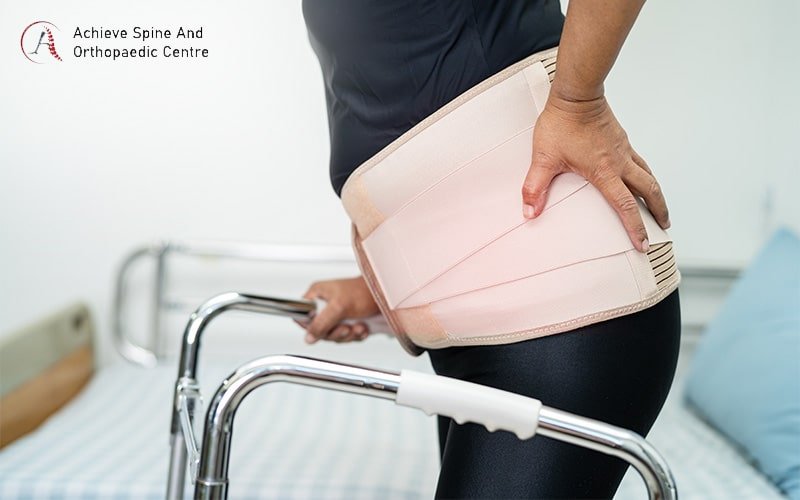
Persistent or sudden back pain should not be overlooked. If the discomfort lasts for several days, limits your ability to move, or gradually worsens, it may be time to seek medical advice from a back pain and spine specialist.
How Are Spinal Fractures Diagnosed?
For individuals with known osteoporosis, the doctor will typically use imaging tests, like X-rays and MRI scans, to confirm whether a vertebral fracture has occurred. A bone mineral density test may also be performed to determine the presence and severity of osteoporosis.
What Are the Treatment Options?
Following this, your lumbar or thoracic spine fracture treatment will depend on the severity of the injury and the symptoms experienced. Your specialist may first recommend non-surgical care, such as medication to strengthen bones and manage osteoporosis, pain relief measures, and temporary bracing to stabilise the spine. Physiotherapy can also help restore movement and support muscle strength.
In cases of persistent pain or spinal instability, minimally invasive surgical procedures, such as vertebroplasty and kyphoplasty, may be considered:
- Vertebroplasty: Medical-grade bone cement is injected directly into the fractured vertebra to reinforce it.
- Kyphoplasty: A small balloon is first inflated to create space and restore some height before filling it with cement.
These approaches are performed through small incisions and may allow for quicker recovery compared to traditional open surgery.
In more complex cases, where multiple vertebrae are affected or instability is severe, spinal fusion may be recommended. While less common for osteoporosis, this option may be necessary when minimally invasive methods are insufficient.
Don’t Overlook the Dangers of Back Pain
Back pain in people with osteoporosis should not be taken lightly, as persistent discomfort may point to a vertebral fracture. Everyday movements can trigger these fractures, and overlooking the signs can lead to further complications.
If you notice sudden or ongoing pain, don’t wait for it to get worse. Seek timely advice from a spine specialist to confirm the cause, guide appropriate treatment, and reduce the risk of further fragility fractures. At Achieve Spine and Orthopaedic Centre, we provide careful assessments and a range of treatment options, including minimally invasive approaches, to support recovery and help you return to daily life with confidence.
Have questions or concerns? Contact us today.

Wu Pang Hung
ABOUT AUTHOR
Dr. Wu Pang Hung is an experienced orthopaedic and spine surgeon in Singapore, specialising in both uniportal and biportal endoscopic spine procedures for complex cervical, thoracic, and lumbar spinal conditions. With over 10 years in the field, he is actively involved in numerous spine societies and contributes to several international journals and textbooks. Dr. Wu has also received specialised training in spine surgery across Canada, South Korea, Japan, and Germany.
Contact Us
WHATSAPP US @+65 9746 6178
CALL US @+65 9746 6178
MAKE AN APPOINTMENT