

Key Takeaways
- Spondylolisthesis in athletes often develops from repetitive stress on the spine during high-impact or hyperextension sports.
- Early symptoms, such as lower back pain, stiffness, or tight hamstrings, should not be ignored.
- Management begins with conservative care, including rest, physiotherapy, and activity modification. In severe cases, surgery may be considered to restore stability.
- With appropriate treatment and gradual return-to-play strategies, young athletes can protect long-term spinal health.
Introduction
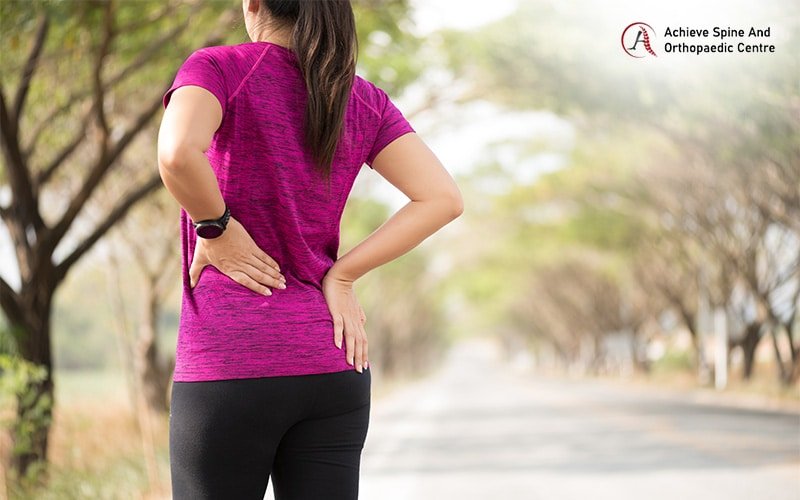
For young athletes dedicated to gymnastics, football or competitive sports, intense training is a necessary part of their journey. However, this commitment can sometimes come with specific risks, such as youth back injuries that should not be ignored. Among these, spondylolisthesis in athletes is a condition that requires careful attention.
This article examines what spondylolisthesis is, the impact it may have, and the treatment options available for safe management and recovery.
What Is Spondylolisthesis?
Spondylolisthesis occurs when one vertebra slips forward over the one beneath it, creating instability in the spine. In athletes, this often arises from repetitive movements that stress the lower back, such as those seen in gymnastics, football, or weightlifting.
Symptoms of Spondylolisthesis:
- Lower back pain in athletes, especially during activity.
- Tight hamstrings or stiffness that limits flexibility.
- Pain that improves with rest but returns during training or competition.
In cases where the condition affects the surrounding nerves, individuals may also feel numbness and tingling in the affected area.
How It Differs from Other Spinal Conditions:
Due to their names, spondylolisthesis is often mistaken for two other spinal conditions:
- Spondylosis: Refers to age-related changes in the spine, such as disc degeneration or bone spur formation. It is more commonly seen in adults and may affect different regions of the spine, including the neck in cases of cervical spondylosis.
- Spondylolysis: A stress fracture in the bony arch of a vertebra, typically seen in adolescents who take part in repetitive or high-impact sports. In fact, almost 93% of cases are associated with sports practice. If the fracture weakens the bone enough, this condition can progress to vertebral slippage (spondylolisthesis).
How It Affects Young Athletes
The impact of spondylolisthesis in athletes extends beyond short-term back pain. When a vertebra slips forward, the spine becomes less stable, which can:
- Reduce flexibility: Instability and muscle tightness, especially in the hamstrings and lower back, make it harder to move freely.
- Slow recovery: Repetitive stress on the affected area means even minor strains take longer to heal.
- Limit spinal mobility: The slipping vertebra can affect how much the spine bends or extends, affecting performance in sports that rely on the range of motion.
If left untreated, ongoing instability may also compress nearby nerves, leading to radiating pain down the legs. Young athletes may also face psychological challenges such as frustration, loss of confidence, and the stress of being sidelined from training or competitions.
What Are the Treatment Options Available?
Conservative Care
For most young athletes, initial management focuses on conservative treatment. This may include:
- Rest and activity modification, particularly avoiding movements that extend the spine.
- Physiotherapy for spondylolisthesis, which targets core strength and stability to reduce strain on the affected vertebrae.
- Temporary use of bracing to support spinal alignment.
Safe Return-to-Play Protocols
A gradual return to training is important. Coaches and athletes should avoid hyperextension drills that increase spinal stress. Instead, flexibility and low-impact conditioning can support recovery while reducing the risk of reinjury.
Surgical Options for Spondylolisthesis in Athletes
If conservative care does not provide relief, surgery may be considered. The choice of procedure depends on the degree of slippage, symptoms, and the patient’s long-term athletic goals. Common options include:
- Spinal decompression surgery: In cases where the slipped vertebra compresses nearby nerves, decompression techniques remove small portions of bone or tissue to relieve pressure. This can help reduce radiating pain, tingling, or weakness in the legs.
- Spinal fusion surgery: When the instability is significant, spinal fusion may be recommended. This involves joining two or more vertebrae together to prevent further slippage, restoring stability to the spine.
For athletes, however, minimally invasive approaches to these procedures are often preferred. By using smaller incisions and specialised instruments like endoscopes, these techniques generally cause less disruption to surrounding muscles and tissues. This leads to reduced scarring and shorter recovery times, allowing athletes to return to training and competition sooner. Endoscopic Fusion is a good option for a minimally invasive technique of fusion for quick recovery and optimising function. , it is one of the least invasive form of fusion surgery
Helping Young Athletes Stay Active, Safely

When it comes to spondylolisthesis in athletes, proactive care makes all the difference. Understanding the signs and seeking guidance at the right time can reduce risks and support a safe, sustainable return to their sport.
At Achieve Spine and Orthopaedic Centre, we provide diagnostic assessments and a wide range of treatment options, with a focus on minimally invasive and endoscopic spine surgery. We serve patients from 13 years old and above, and most surgeries are typically completed within the day. For enquiries or to arrange a consultation, please contact our team.

Wu Pang Hung
ABOUT AUTHOR
Dr. Wu Pang Hung is an experienced orthopaedic and spine surgeon in Singapore, specialising in both uniportal and biportal endoscopic spine procedures for complex cervical, thoracic, and lumbar spinal conditions. With over 10 years in the field, he is actively involved in numerous spine societies and contributes to several international journals and textbooks. Dr. Wu has also received specialised training in spine surgery across Canada, South Korea, Japan, and Germany.
Contact Us
WHATSAPP US @+65 9746 6178
CALL US @+65 9746 6178
MAKE AN APPOINTMENT