

Have you ever noticed your child’s shoulders or back looking uneven when they stand or sit? While it might seem like a minor concern, these could be early signs of a curved spine. Thankfully, understanding the condition and knowing what to look for can help you take timely action. This article will explore the different types of spinal curvature in children, common symptoms to watch for, and the treatment options available to support your child’s spinal health.
Understanding Curved Spines in Children
What Is a Curved Spine?
A curved spine is when the spine develops an abnormal shape instead of its natural alignment. This can happen in different ways and for various reasons.
Here are the most common types of spine curvature in children:
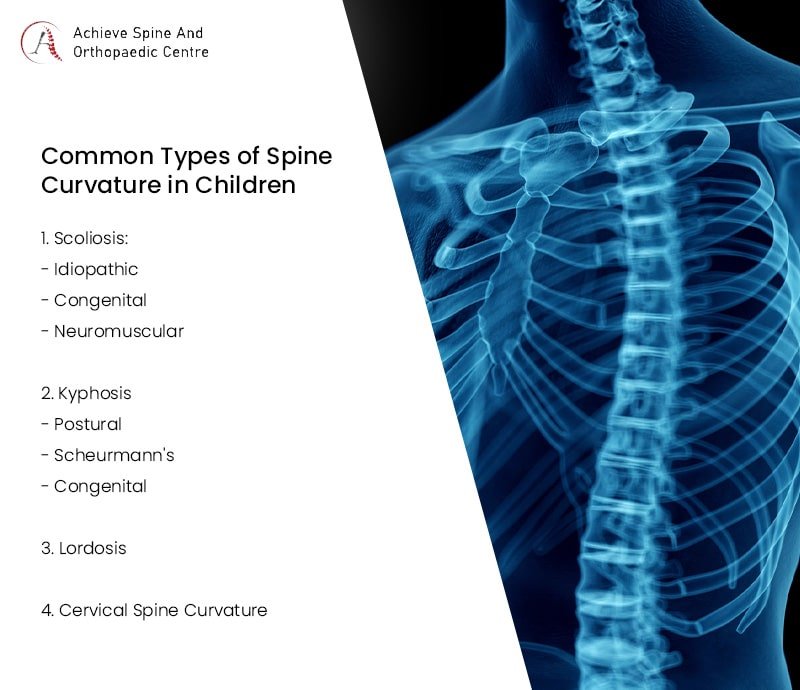
1. Scoliosis
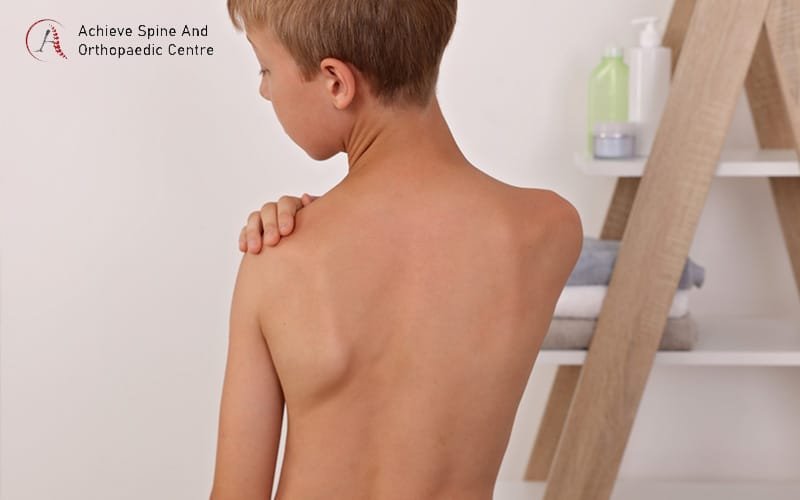
Scoliosis is one of the most recognised conditions, causing the spine to bend sideways and forming an ‘S’ or ‘C’ shape. This condition is often noticeable during growth spurts in children and teenagers, especially between the ages of 10 and 15.
-
Idiopathic Scoliosis
This is the most common type of scoliosis, found in as many as four in 100 adolescents. It typically develops during puberty, particularly during rapid growth stages. It is not linked to any specific injury or illness but may run in families, suggesting a genetic component. -
Congenital Scoliosis
This type of scoliosis occurs due to improper spinal development in the womb, resulting in vertebrae that are not fully formed or fused. This condition is present at birth, though it may not be noticeable until the child reaches toddler age or later. -
Neuromuscular Scoliosis
This condition is found in children with neurological or muscular disorders, such as cerebral palsy, muscular dystrophy, or spina bifida. These lead to muscle weakness that prevents proper spinal alignment, causing the spine to curve.
With early detection and the right paediatric treatment options, scoliosis can be managed. Depending on the severity and type, bracing, physical therapy, or even surgery may be recommended to prevent further progression.
2. Kyphosis
Kyphosis involves an excessive forward rounding of the upper spine, which can result in a hunched or rounded back. This can affect posture and lead to discomfort or stiffness, particularly in the upper back.
-
Postural Kyphosis
This is the most common type of kyphosis and is often linked to poor posture, especially in children who slouch or spend extended hours hunched over a desk or screen. -
Scheuermann’s Kyphosis
A more severe form of kyphosis, Scheuermann’s involves wedge-shaped vertebrae that contribute to a more rigid and painful curvature. This condition often appears in adolescents and may cause back pain or discomfort. -
Congenital Kyphosis
This rare form of kyphosis results from spinal malformation during foetal development, where the vertebrae fail to develop properly. In severe cases, congenital kyphosis may require surgery to correct the deformity and prevent further complications as the child grows.
3. Lordosis
Lordosis, commonly known as “swayback,” occurs when the lower spine curves excessively inward. This causes the abdomen and buttocks to protrude, creating a noticeable curve in the lower back.
Lordosis can develop due to a variety of factors, such as:
- Obesity
- Poor posture
- Underlying conditions like muscular dystrophy or spondylolisthesis (where a vertebra slips out of place)
In children, lordosis may improve with physical therapy, exercise, and changes in posture. In more severe cases, treatment may be required to help relieve discomfort and prevent further complications.
If you notice that your child’s neck appears to be unusually curved, it could be a sign of cervical spine curvature. This may be a result of poor posture, trauma, or structural issues that affect the alignment of the spine.
-
Cervical Lordosis
An excessive inward curve in the neck, often caused by poor posture such as constant forward head tilt from looking at screens or slouching. Over time, this can lead to neck pain or stiffness and may also cause headaches. -
Cervical Kyphosis
This is the abnormal outward curvature of the neck, which may result from trauma, developmental issues, or conditions such as osteoporosis. It can cause discomfort and limit neck mobility, leading to issues like chronic pain or difficulty moving the head.
What Parents Should Know About Curved Spines in Children
As a parent, you have the best understanding of your child’s needs. If something seems unusual, it’s crucial to be proactive and seek advice. Here are a few important points to consider:
1. Early Detection is Crucial
Catching signs of a curved spine early is key to making sure your child gets the right treatment. Keep an eye out for signs like uneven shoulders, a noticeable curve in the back, or hips that aren’t aligned properly. Additionally, children may struggle with finding clothes that fit properly, as an uneven torso can cause discomfort. The sooner you detect these issues, the easier it is to manage the condition and avoid more serious issues later on.
2. It May Not Always Be Serious
Not all cases of a curved spine require immediate treatment. Mild curves, especially those that are not progressing, may simply need regular monitoring to ensure they do not worsen. In fact, many children with mild scoliosis or kyphosis can live normal, active lives without the need for surgery or other intensive treatments. Consulting a specialist for a curved spine diagnosis can help you understand if any action is needed and what the best course of action is.
3. Posture Alone Doesn’t Cause Spine Curvature

While poor posture can contribute to conditions like postural kyphosis, it’s important to remember that it’s not the only cause. A curved spine due to scoliosis, for instance, is often linked to factors such as genetics, abnormal spinal development, or neurological and muscular conditions. In some cases, like idiopathic scoliosis, it can even occur with no identifiable reason. Parents should avoid blaming themselves or their child for the condition. Instead, focus on ensuring the child gets the proper support and medical care they need.
4. Regular Monitoring for Spine Health
A curved spine can quickly develop during growth spurts, so regular check-ups are important. By staying on top of your child’s condition, a qualified spine doctor can track any changes and recommend the right treatment as needed. Encouraging good posture and staying active are also great ways to support your child’s spine health. If a brace or physical therapy is recommended, making sure your child follows through with these treatments can help prevent further issues.
How Are Curved Spines in Children Treated?
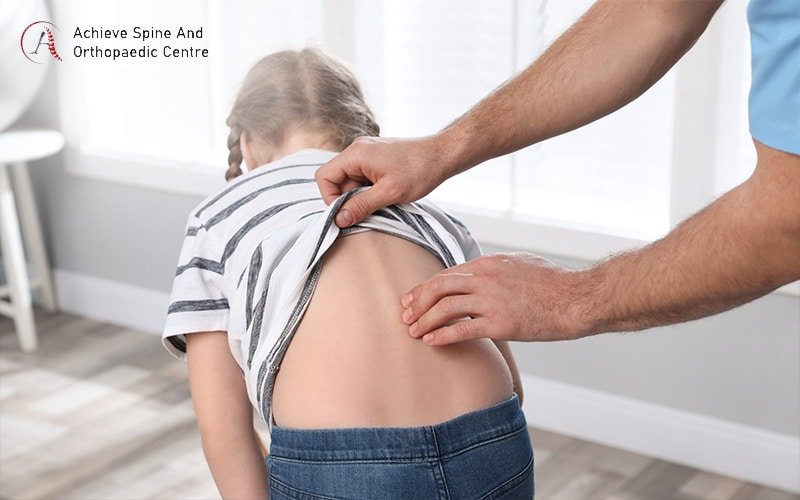
Now that we have covered the basics of spinal curvature and the signs to look out for, it is also important to understand how curved spines in children are treated.
Treatment Options for Children vs. Adults

The treatment approach to curved spines varies significantly between children and adults. This is mainly because children are still growing, which influences how their spine can be treated and supported. Here are the key differences:
1. Growth Potential and Its Impact on Treatment
Scoliosis treatment for children tends to focus on managing the progression of the curve while they’re still growing. Here, the goal is to control the curve and avoid the need for more invasive treatments like surgery as the child’s bones and spine are still developing. In contrast, treatment for adults primarily focuses on managing pain and improving mobility.
2. Non-Surgical Therapies

For children with mild to moderate curved spines, non-surgical treatments are usually the first step. Bracing is often recommended to help support the spine and prevent the curve from worsening. In addition to bracing, physical therapy can be really helpful for strengthening the muscles around the spine, improving posture, and supporting overall spine health.
For adults, non-surgical treatments are more about managing symptoms rather than stopping the curve from progressing. Physical therapy is key to improving flexibility and easing discomfort. In some cases, anti-inflammatory medications or injections can help reduce pain and make daily activities more manageable, allowing for better movement and a higher quality of life.
3. Surgical Intervention
If your child has a severely curved spine (greater than 40 degrees) that worsens despite conservative treatments like bracing, surgery may be considered. Doctors may recommend growth-friendly surgical techniques, such as vertebral body tethering (VBT), which can help straighten the spine while still allowing for growth.
For adults, surgery tends to be a bit more complex. If non-surgical treatments don’t provide enough relief and the curvature is causing significant pain or nerve problems, spinal fusion surgery is often the recommended option. This procedure involves fusing two or more vertebrae to stop the curve from worsening and to alleviate discomfort.
What is Vertebral Body Tethering?
Vertebral body tethering (VBT) is a minimally invasive spine surgery designed to treat scoliosis in children and adolescents. A flexible cord is attached to the spine to help guide its growth and gently correct the alignment as your child continues to develop. This approach preserves both growth and mobility, making it a more natural solution for children with curved spines.
Additionally, the surgery involves smaller incisions, reducing risks like blood loss and speeding up recovery. This allows patients to bounce back faster and return to their usual activities much sooner compared to those who undergo spinal fusion surgery.
Indications for Use
Doctors will typically recommend VBT for children with moderate scoliosis (curves between 30 and 50 degrees) who are still growing. At this stage, the curvature is significant enough to need treatment but not yet severe enough to require more comprehensive measures like spinal fusion.
Post-Treatment Monitoring and Management

The journey does not end with surgery or therapy. Regular monitoring and support are key to ensuring your child’s spine continues to grow and develop properly.
1. Regular Follow-Up Appointments
After treatment, you will need to bring your child to regular follow-up appointments every 4 to 6 months. This is vital for tracking your child’s recovery and checking that their curved spine is not becoming more severe. During these visits, doctors will typically conduct physical exams and imaging tests to evaluate the spine’s alignment and adjust the treatment plan if necessary.
2. Adjusting Treatment Plans
As children grow, their treatment needs may evolve. For instance, braces may need to be adjusted, or new exercise routines could be recommended to match their developing bodies. If your child has had surgery, the surgeon may modify post-surgical care or suggest additional interventions if the spine’s condition shifts over time.
3. Physical Therapy
Physical therapy continues to be a vital part of recovery. Specific exercises designed to strengthen core and back muscles not only help improve posture and reduce pain but also prevent further spinal issues. Ongoing engagement in physical therapy can enhance flexibility and overall spinal health, supporting long-term well-being.
4. Monitoring for Potential Complications
If your child has had surgery or is wearing a brace, it’s important to monitor for potential complications such as infection, discomfort from the brace, or instability in the spine. Parents should stay alert to signs like unusual pain or discomfort and seek medical advice promptly if any new symptoms arise.
Frequently Asked Questions About Curved Spines in Children
1. Can my child participate in sports with a curved spine?
In most cases, children with mild to moderate spinal curvature can still enjoy sports and physical activities. However, it’s a good idea to have a healthcare provider assess the types of sports your child participates in, especially those involving heavy lifting, intense contact, or high-impact movements like football or gymnastics. Your doctor can help you determine which activities are safe and if any adjustments are needed to keep your child’s spine protected while they enjoy being active.
2. What can I do at home to help my child?
As parents, you also play a crucial role in supporting your child’s spine health. Encouraging them to maintain good posture is important for reducing strain on the spine. Regular exercise, particularly exercises that strengthen the core and back, will help keep their muscles strong and supportive. If your child is wearing a brace, ensure they wear it as prescribed. Additionally, providing emotional support is key, as children with curved spines may feel self-conscious or frustrated about their condition. Offer them plenty of reassurance and remind them that they are not alone in their journey.
3. How soon can my child return to school after surgery?
Post-surgery recovery time varies depending on the complexity of the procedure and the individual patient. However, for less invasive procedures like VBT, most children can head back to school within 2 to 4 weeks. However, they may need to avoid strenuous activities or sports for a few months.
Conclusion
There is no need to let a curved spine hold your child back. By spotting the signs early and choosing the right approach, you can help manage scoliosis or other spinal issues effectively. Whether through lifestyle adjustments, wearing a brace, or considering treatments like vertebral body tethering, there are options to help your child stay active and comfortable.
At Achieve Spine And Orthopaedic Centre, we offer personalised care aimed at supporting your child’s spine health. Our team specialises in minimally invasive procedures such as VBT and endoscopic spine surgery, which use smaller incisions and advanced techniques to reduce recovery time and minimise discomfort. These methods allow us to treat a range of spinal conditions in patients aged 13 and above, preserving mobility and helping patients resume their daily activities.
If you have any concerns about your child’s spine or have any questions, reach out to us today.

Wu Pang Hung
ABOUT AUTHOR
Dr. Wu Pang Hung is an experienced orthopaedic and spine surgeon in Singapore, specialising in both uniportal and biportal endoscopic spine procedures for complex cervical, thoracic, and lumbar spinal conditions. With over 10 years in the field, he is actively involved in numerous spine societies and contributes to several international journals and textbooks. Dr. Wu has also received specialised training in spine surgery across Canada, South Korea, Japan, and Germany.
Contact Us
WHATSAPP US @+65 9746 6178
CALL US @+65 9746 6178
MAKE AN APPOINTMENT